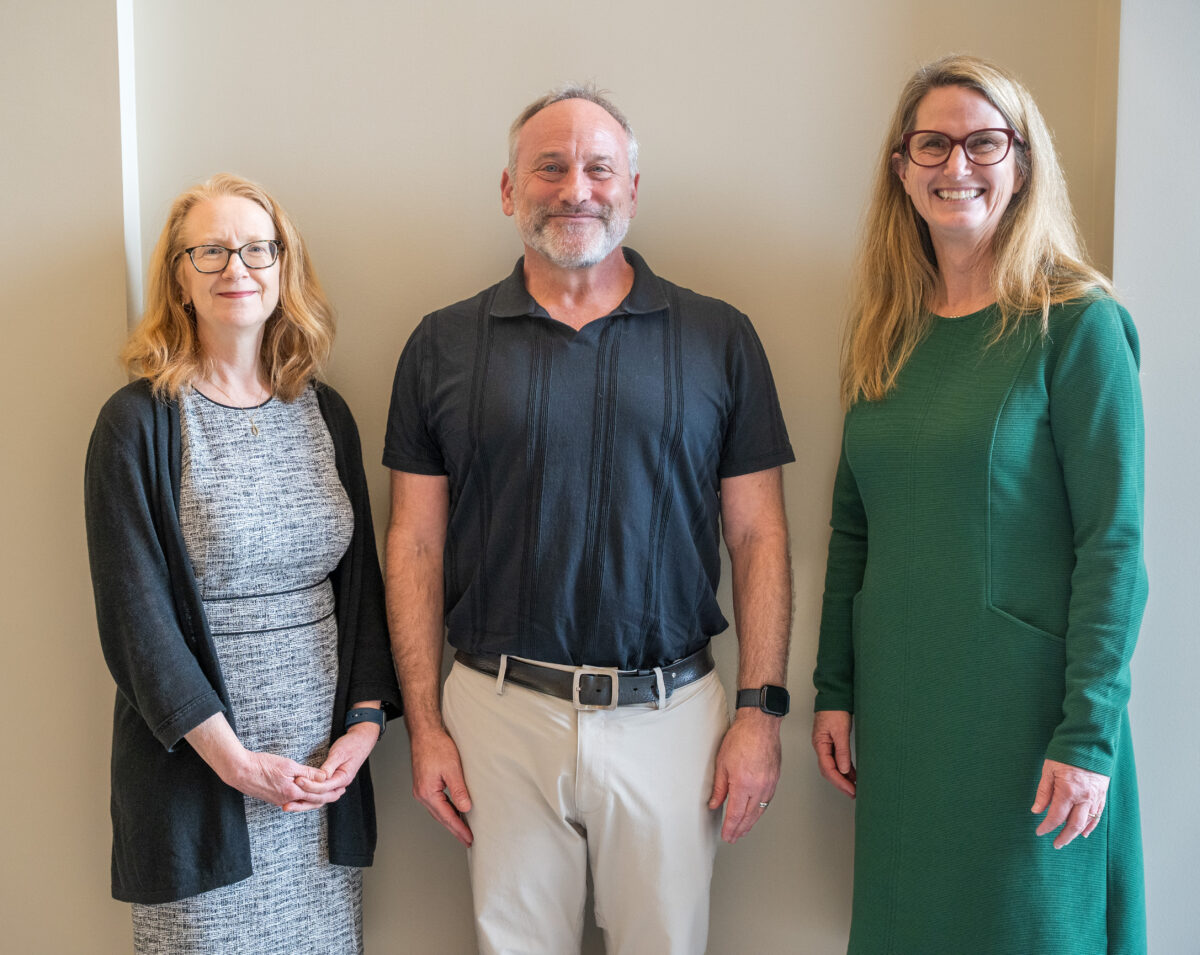
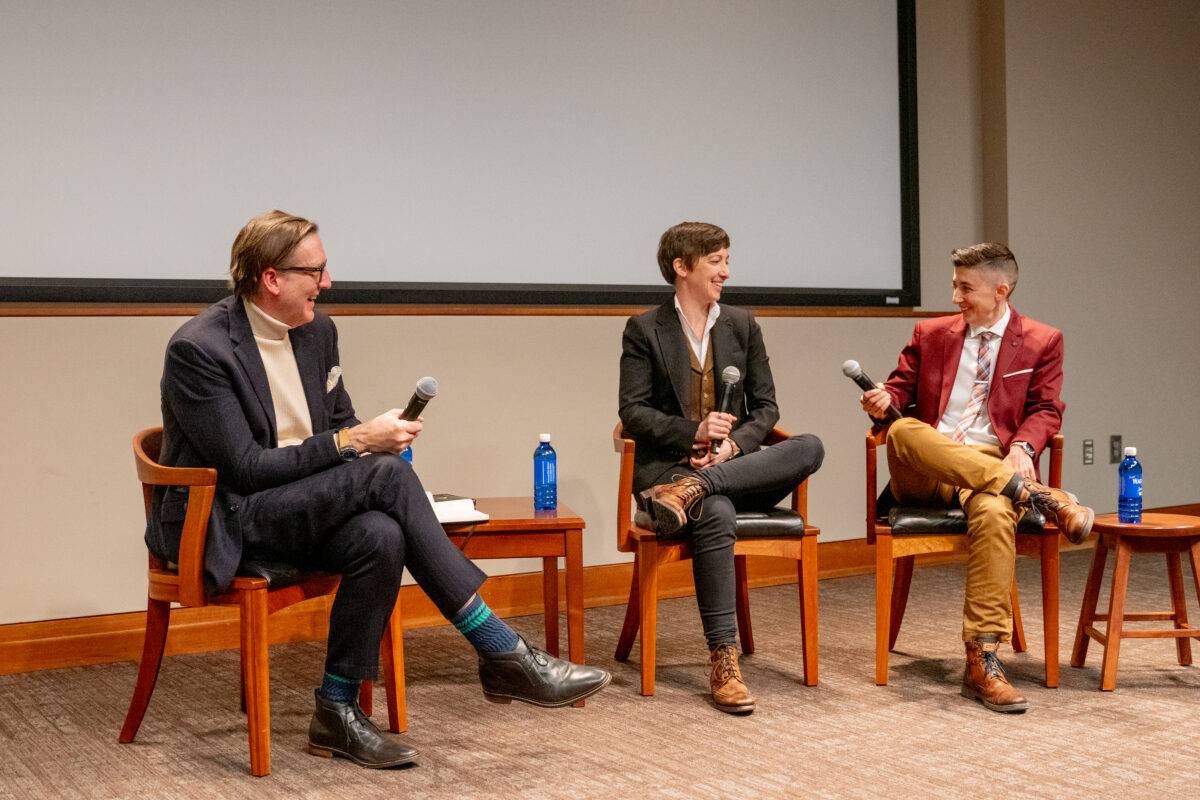
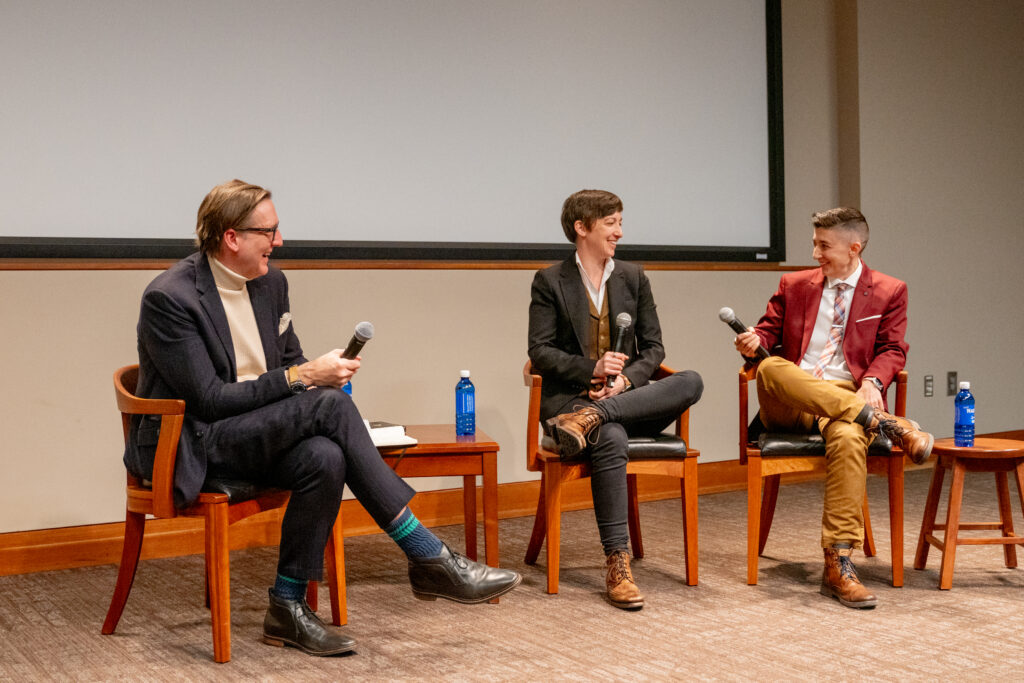
Pictured L to R: Jody Clay-Warner, Steven Rogelberg, Jennifer McDowell
The Owens Institute for Behavioral Research hosted the 2025 Annual William A. Owens Lecture on February 27, 2025, featuring Dr. Steven G. Rogelberg, Chancellor’s Professor at UNC Charlotte. Hosted by Alan Flurry, Director of Communications with the Franklin College of Arts and Sciences, Dr. Rogelberg delivered an engaging talk on “The Surprising Science of Meetings,” offering research-backed insights into improving workplace meetings for efficiency, effectiveness, and employee well-being.
Held at the UGA Richard B. Russell Jr. Special Collections Library, the lecture attracted a diverse audience of faculty, and students, eager to learn from Dr. Rogelberg’s expertise. The event concluded with a reception, providing attendees with an opportunity for discussion and networking.
Thank you to everyone who joined us for this insightful event! Stay tuned for details on next year’s lecture.
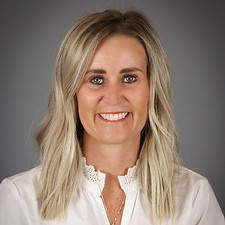
We are pleased to announce the promotion of Stacie Isbell to Grants Manager at the Owens Institute for Behavioral Research (OIBR).
Stacie has been a dedicated member of the UGA community since 2002 and joined OIBR in November 2021. In her new role, she will oversee restricted accounts for Distinguished Scholars and Affiliates of the Institute, serving as the primary contact for Principal Investigators (PIs). Her responsibilities include ensuring project personnel are paid according to project budgets, sponsors, and state guidelines, as well as monitoring accounts and project spending to maintain audit-ready records.
The Grants Manager position also ensures all grant spending complies with UGA and funding agency guidelines. Stacie will provide monthly project status reports, oversee budget updates, and utilize UGA systems—including UGA Jobs, UGA Financial Management System, UGA Budget Management System, and UGAmart—to manage and approve all grant expenditures.
Reflecting on her promotion, Stacie shared:
“I am grateful for the recent promotion to grants manager. I am truly honored and excited about this new position. I appreciate all your support and confidence in my abilities.”
Stacie’s office is located at 252F Brooks Hall, and she can be reached at sisbell@uga.edu or 706-542-6100.
Please join us in congratulating Stacie on this well-deserved achievement!
The Owens Institute is pleased to announce that Dr. Steven Rogelberg, an internationally renowned expert in organizational science and a professor at the University of North Carolina at Charlotte, will deliver the annual William A. Owens lecture on Tuesday, February 27. This prestigious event is part of the UGA Provost’s Spring Signature Lecture Series, which showcases distinguished speakers across various fields.
Dr. Rogelberg’s talk, titled The Surprising Science of Meetings, will delve into the latest research and practical insights on improving workplace meetings. With meetings occupying a significant portion of professionals’ time, Dr. Rogelberg’s expertise promises to provide actionable strategies to enhance productivity, collaboration, and engagement.
The William A. Owens Lecture honors the legacy of its namesake by inviting thought leaders to inspire and challenge the UGA community. Dr. Rogelberg’s talk is sure to continue this tradition of excellence.
Faculty, students, and staff are encouraged to attend. Details can be found here. Don’t miss the opportunity to gain valuable insights from one of the leading voices in organizational science!
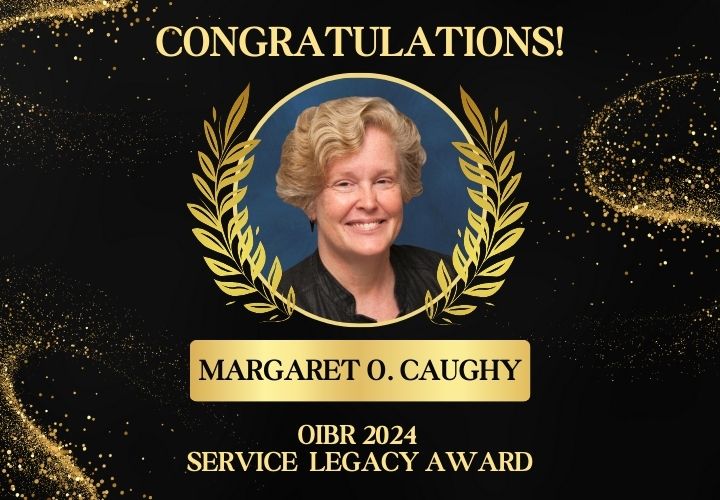
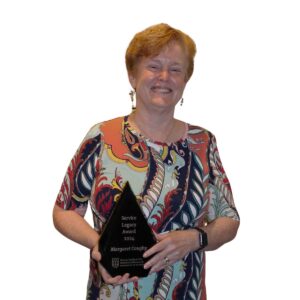
We are thrilled to announce that the 2024 OIBR Service Legacy Award has been awarded to Dr. Margaret Caughy, a Georgia Athletic Association Professor in Health Disparities within the Department of Human Development and Family Science at the University of Georgia.
The Service Legacy Award honors OIBR-affiliated faculty who have made meaningful contributions to the Institute through their dedicated service and leadership. Dr. Caughy’s impact at OIBR and the wider academic community exemplifies the true spirit of this award.
As Principal Investigator of the Dallas Project on Education Pathways (DPREP) funded by NICHD, Dr. Caughy leads groundbreaking research examining how contextual, cultural, and family factors influence self-regulation and academic success among African American and Latinx preschoolers in poverty. Her work is a cornerstone in understanding and addressing health disparities in education.
A Distinguished Scholar at OIBR, Dr. Caughy has been a generous and enthusiastic volunteer, always among the first to offer her support. Whether serving on seed grant review committees, participating in Grant Development Program reviews, or stepping in whenever assistance is needed, she has shown unparalleled dedication. Her commitment extends to mentoring early-career faculty, where her guidance and encouragement help shape the next generation of leaders in the social and behavioral sciences.
At OIBR’s annual meeting this October, Dr. Caughy was celebrated for her exceptional contributions with the 2024 Service Legacy Award. Please join us in congratulating Dr. Margaret Caughy for her inspiring leadership and for advancing the social and behavioral sciences at the University of Georgia.
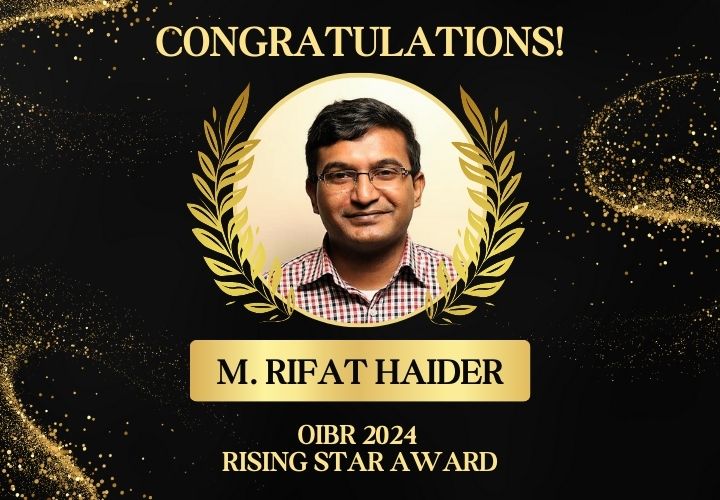
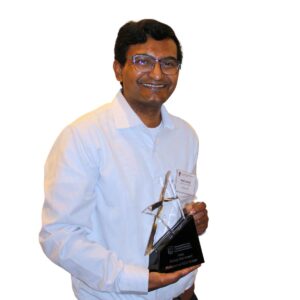
We are delighted to announce the 2024 OIBR Rising Star Award recipient, Dr. M. Rifat Haider!
The OIBR Rising Star Award celebrates the remarkable scholarly achievements and future potential of an OIBR Distinguished Scholar or Affiliate within eight years of earning their Ph.D. This award highlights individuals who demonstrate sustained excellence in research and a promising trajectory for impactful contributions. Dr. Haider’s accomplishments are evident through his numerous publications, successful grant applications, and innovative projects that shape the future of his field.
Dr. Haider, an Assistant Professor in Health Policy and Management at UGA, focuses his research on addressing the dual epidemics of HIV and opioid use in the South. His unique approach bridges two intersecting research agendas: one centered on telehealth interventions and the other on addressing “chem-sex” — risky sexual behavior influenced by substance use.
Over the past year, Dr. Haider has secured two major NIH grants as Principal Investigator, including a K award to explore telehealth-based interventions that enhance HIV prevention and medication support for opioid use disorder among rural populations who inject drugs. His second NIH grant supports the development of an empowerment-based telehealth intervention to improve HIV pre-exposure prophylaxis (PrEP) choices, updates, and adherence among Black women at risk of HIV.
A third project, currently under NIH review, aims to characterize chem-sex patterns and assess harm reduction efforts among gay, bisexual, and other men who have sex with men in the South.
These projects build upon Dr. Haider’s impressive record, which already includes 87 peer-reviewed publications, with significant contributions appearing in The Lancet and Social Science and Medicine: Population Health.
At OIBR’s annual meeting in October, Dr. Haider received a commemorative plaque and a $1,000 research fund in recognition of his outstanding work. Please join us in congratulating Dr. M. Rifat Haider on this well-deserved honor!
A new study suggests that interactions between caregivers and their children may serve as practice for new social situations for kids. (Getty Images)
The way parents and their children play together may be the framework for how kids will treat other children, according to a recent study from the University of Georgia.
Figuring out how to approach new social situations is key for toddlers, and research suggests that caregivers play a big part in giving kids a script to draw from.
The new study found the way mothers and toddlers interacted during play predicted how the children later interacted with other kids.
“It’s not just what the mom does when they’re interacting, and it’s not just what the child does when they’re interacting,” said Niyantri Ravindran, lead author of the study and an assistant professor in UGA’s College of Family and Consumer Sciences. “It’s really about how their behaviors are occurring together. That back-and-forth dialogue between the mother and child is contributing to how children are interacting with their peers.”
Caretakers help kids practice for future social situations
The researchers focused on two main types of behavior in 120 toddler-aged children: responsiveness and assertiveness. They followed the children through their preschool days, examining how they interacted with their friends while playing, and later paired them with both new kids, and close friends.
Children who were receptive to the suggestions of their playmate and enthusiastic about playing with them scored high on responsiveness.
Mothers and children had a strong connection if the mother was sensitive to the child’s behavior and the child responded positively. When they showed this dynamic during play, those children were more likely to show the same responsiveness with their friends.
Similarly, when mothers were sensitive and children were assertive during play, those children were more likely to be assertive with kids they didn’t know. While many may think assertive behavior equals aggressive behavior, assertiveness in this study meant that the children took initiative, like inviting another kid to play or coming up with ideas for games.
“You don’t want a child to be completely only compliant and never really taking the initiative,” said Ravindran. “Neither do you want a child who is bossy and never listening to the other kids’ suggestions. Having a balance between those two behaviors could help result in more socially competent children.”
Caregivers play a large role in how children develop social skills and not just because they are their children’s primary role models. How kids and parents interact serves as practice for new social situations.
“You’re going to guide your child, teach them and show them how to do things, but it’s also just as important to follow their lead sometimes,” said Ravindran. “That can really help balance out those behaviors.”
This study was published in Developmental Psychology and co-authored by Nancy L. McElwain of the University of Illinois’ Department of Human Development and Family Studies.
Writer: Sydney Barrilleaux
Contact: Niyantri Ravindran, niyantri.ravindran@uga.edu
We are delighted to announce the promotion of Jenny Claire Carey to the position of Post Award Operations Manager. Jenny Claire has shown exceptional dedication and expertise in her work with grants, making her an invaluable member of our team. Her passion and desire to embrace new challenges have driven her to this well-deserved promotion.
When asked why she was interested in this new position, Jenny Claire said, “I was interested in the Post Award Operations Manager position because I enjoy the work that I do with grants but was ready to welcome new challenges with this role. I also really enjoy my colleagues and would like to continue working with them as I grow in my career.”
In her new role, Jenny Claire’s responsibilities will expand significantly. “In addition to the oversight of a vast and complex grant management caseload, I am now overseeing departmental operating budgets, annual budget development, internally funded seed grants, and pilot grants, as well as serving on the OIBR Management Team,” she explained. This role will allow her to leverage her extensive experience and skills in new and impactful ways.
Jenny Claire attributes her promotion to the skills and experiences she has gained over the years. “Over the last few years, I worked with Paula McIntyre, who was previously in this position, to gain a better understanding of the business processes within the Institute that I didn’t necessarily see working with grants alone. I’ve also taken on the Institute’s largest and most complex grants and continually asked for new projects and challenges because I believe doing the work is the best way to gain skills and experience.”
Looking forward, Jenny Claire hopes to be a supportive and collaborative leader. “I hope to be someone that the OIBR team feels confident to come to with questions and issues and am hopeful that we will be able to collaborate and continue OIBR’s success.”
Please join us in congratulating Jenny Claire Carey on her promotion and wishing her continued success in her new role!
(Pictured left to right: Alan Flurry, Dani Bassett, Perry Zurn. Photo Credit: Jason Thrasher)
The 2024 William A. Owens Lecture, titled “Curious Minds: The Power of Connection,” brought together an audience of students and faculty from across campus. Hosted by Alan Flurry, director of communications for the Franklin College of Arts and Sciences, the event featured a conversation with Dr. Perry Zurn and Dr. Dani Bassett, identical twins whose collaborative work transcends disciplinary boundaries to explore the intricate dynamics of curiosity.
“Curious Minds: The Power of Connection,” a book by co-authors Dr. Zurn and Dr. Bassett served as the focal point of the discussion.
Dr. Zurn, a Provost Associate Professor of Philosophy at American University, is a distinguished scholar in the fields of philosophy and critical theory and provided unique perspectives on curiosity studies that enriched the dialogue.
Dr. Bassett, the distinguished J. Peter Skirkanich Professor at the University of Pennsylvania, and renowned for their groundbreaking work in neural and systems engineering, emphasized the pivotal role of curiosity in unraveling the complexities of human brain networks.
From philosophical reflections to innovative neuroscience, Dr. Zurn and Dr. Bassett explained the transformative power of curiosity, emphasizing its role in strengthening the bonds that tie us together as a society.
After a decade of service, our fantastic Post Award Operations Manager, Paula McIntyre, bids farewell to the Owens Institute for Behavioral Research (OIBR) to begin an exciting new chapter in her career with Memorial Sloan Kettering Cancer Center.
Paula’s research administration journey with the University of Georgia (UGA) started fifteen years ago when she worked on an extramurally funded sponsored project as an Administrative Specialist in the Institute on Human Development and Disability within the College of Family and Consumer Sciences.
Throughout the past ten years with OIBR, Paula contributed significantly to all aspects of financial management at the Institute. Paula had a knack for all things numbers and quickly took on more responsibility and greater challenges. Paula was energized at the prospect of new systems and better methods for data tracking. During the PeopleSoft OneSource transition, she jumped on board with the Change Champions to be a part of the system development and to pilot and test functionality. In addition to her never-ending quest for better reporting methods, cleaner data, and clearer policies, she was one of the most intelligent, organized, helpful, and pleasant people with whom we worked.
Paula demonstrated a knack for teaching and mentoring others. Helping others to learn and excel and grow in their careers came easily to her and brought her joy and personal satisfaction. She has mentored countless business persons in grants accounting across campus and, we have no doubt, that the university community benefitted greatly from her time here.
For several years, Paula served as the OIBR human resources manager. In this role, she was the primary HR contact for dozens of sponsored research projects. Her responsibilities included navigating the complexities of employment administration and offering guidance on UGA HR policies and procedures.
In the realm of financial and post-award management, Paula’s expertise was a great benefit to the Institute. Paula managed our state accounts, sales, and service accounts, as well as her project caseload while leading the post-award team. She listened closely in BSAG and RADG and OneSource meetings for upcoming changes in policies and procedures and worked hard to ensure compliance in all areas, providing valuable insight to both colleagues and faculty. Her collaborative approach, kind and helpful demeanor, and eye for detail enhanced the efficiency and success of OIBR’s fiscal affairs. Paula’s mentorship and hard work contributed to a culture of excellence within the organization, and she leaves in place a terrific post-award team.
As Paula embarks on a new chapter in her career, we are filled with gratitude for the time we shared with her. We greatly appreciate her invaluable contributions, hard work, dedication, and service to the Owens Institute and UGA. We wish Paula all the best in her new position!
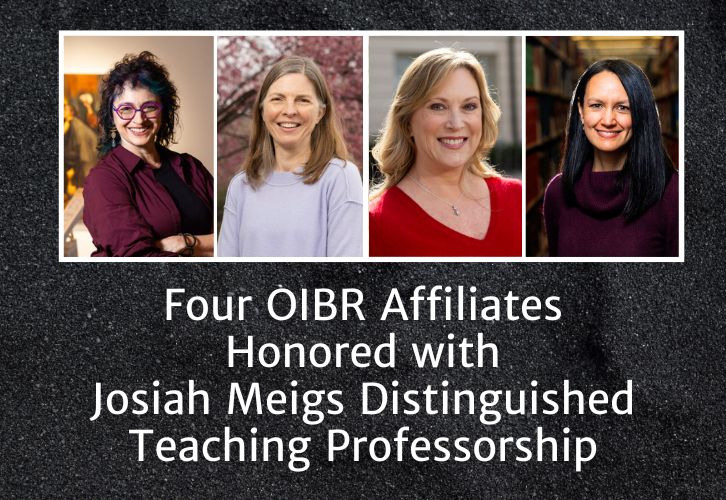
UGA announces six exceptional faculty members have been honored with their highest award for teaching, the 2023-2024 Josiah Meigs Distinguished Teaching Professorship, for their commitment to teaching. Four of the six honorees are affiliates of the Owens Institute for Behavioral Research.
The Meigs Professorship reflects the university’s commitment to excellence in teaching, the value placed on student learning experiences and the central role instruction plays in the university’s mission.
2023-2024 Meigs Professors (pictured left to right):
Melisa Cahnmann-Taylor, OIBR Affiliate and Professor in the department of language and literacy education, Mary Frances Early College of Education;
Erin Dolan, OIBR Distinguished Scholar and Professor in the department of biochemistry and molecular biology, Franklin College of Arts and Sciences;
Leslie Gordon Simons, OIBR Distinguished Scholar and mentoring program graduate and Professor in the department of sociology, Franklin College of Arts and Sciences; and
Julie Stanton, OIBR Distinguished Scholar and Associate Professor in the department of cellular biology, Franklin College of Arts and Sciences.
More here about this distinguished honor and the honorees.


 We are pleased to announce the promotion of Stacie Isbell to Grants Manager at the Owens Institute for Behavioral Research (OIBR).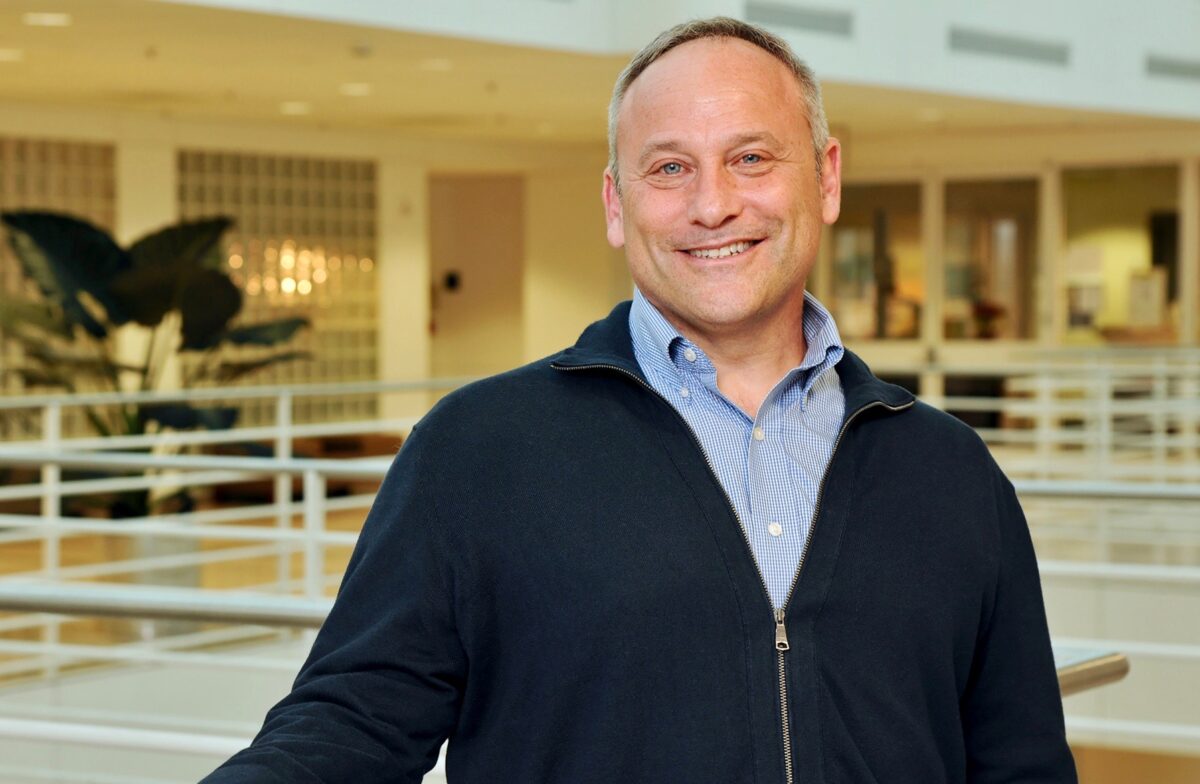



 After a decade of service, our fantastic Post Award Operations Manager, Paula McIntyre, bids farewell to the Owens Institute for Behavioral Research (OIBR) to begin an exciting new chapter in her career with Memorial Sloan Kettering Cancer Center.