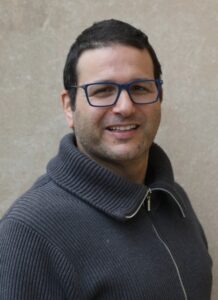
 In a groundbreaking initiative led by Principal Investigator (PI) Assaf Oshri, a Distinguished Scholar at the Owens Institute for Behavioral Research (OIBR) and an associate professor in Human Development and Family Science at the University of Georgia (UGA), three innovative grants have been awarded to investigate the intricate interplay between early life adversity and adolescent drug use vulnerabilities. Let’s delve into these projects and their significance, as well as OIBR’s role in their development and execution.
Understanding Adolescent Vulnerabilities
Dr. Oshri has been awarded three grants over the last few years that support his innovative research in youth development.
The first grant, “The Influence of Community and Family Protective Processes on Neurocognitive Systems Associated with Early-Onset Drug Use: An Investigation of Rural Southern Youth (DORRY),” was funded by the National Institute of Health (NIH) and the National Institute on Drug Abuse (NIDA) and was awarded $800k. The grant will run from 2018 through 2024.
The NIH and NIDA also awarded $3 million to a grant entitled, “Early Adversity and Drug Use Vulnerability Among Low-Income Rural Children: Testing a Neuro-ecological Model of Resilience (BRANCH),” with an award period of April 2023 through April 2028. From UGA, Co-Investigators are Steve Kogan, OIBR Distinguished Scholar and Athletic Association Professor of Human Development and Family Science, Larry Sweet, OIBR Distinguished Scholar and the Gary R. Sperduto Professor in Clinical Psychology in the department of Psychology, Margaret Caughy, OIBR Distinguished Scholar and Georgia Athletic Association Professor of Human Development and Family Science, and Charles Geir, OIBR Affiliate and professor in the department of Human and Family Sciences.
Lastly, “A Neuroecological Approach to Examining the Effects of Early Life Adversity on Adolescent Drug Use Vulnerabilities Using the ABCD Dataset,” was also funded by NIH and NIDA in the amount of $3 million and will run from August 2023 thru August 2028. Co-Investigators are Larry Sweet, Charles Geier, and Kalsea Koss, OIBR Affiliate and assistant professor of Human Development and Family Science at UGA.
Significance of the Projects
These projects adopt an interdisciplinary approach, integrating data on brain development, family dynamics, and broader environmental factors to explore how resilience evolves in children and youth. Understanding these factors is critical for developing effective preventive interventions to mitigate drug use vulnerabilities. These grants represent a significant investment in research aimed at uncovering the mechanisms underlying adolescent vulnerabilities, and paving the way for targeted interventions and support systems.
OIBR’s Contribution
OIBR has played a significant role throughout the lifecycle of these projects. From pre-award grant support services, including budget formulation and regulatory guidance, to post-award assistance with personnel recruitment and financial management, “OIBR’s involvement has been invaluable,” said Dr. Oshri. “The OIBR Grant Development Program that I participated in helped facilitate connections with senior principal investigators, fostering collaboration and enhancing my projects’ impact.”
Reflections on the Research Journey
Interdisciplinary collaboration has emerged as both surprising and challenging, highlighting the complexities of integrating diverse perspectives into cohesive scientific outcomes. “I was most surprised by the complexity of conducting interdisciplinary research. Each expert brings their unique knowledge, jargon, norms, and niches to the table, making it a challenge to integrate these diverse perspectives into my area to produce meaningful scientific outcomes,” Oshri shared.
“In addition, establishing connections with remote and rural communities proved particularly challenging, underscoring the importance of building trust and rapport with families,” Dr. Oshri continued. “Despite the challenges, the potential to make a tangible difference in children’s development remains profoundly rewarding.”
Oshri acknowledges the contributions of mentors like Dr. Steven Kogan, “who is a master grant writer, and has been instrumental in honing my grant writing skills,” said Oshi.
He also mentioned Dr. Larry Sweet. “Dr. Sweet is an exceptional neuroscientist, who generously welcomed me into his lab and classes for years, significantly before and during my initial NIH training grant. His mentorship was crucial in integrating cognitive neuroscience into my research.”
Collaborative Innovation
In a testament to collaborative innovation, Oshri highlights his partnership with neuroscientist Dr. Chuck Geier. “He has been amazing to collaborate with, and we have been having a lot of fun co-directing the lab (Youth Development Institute) together,” said Oshri. He continued, “My work is just a small part of the work that is done by a team of great people, including undergraduate and graduate student staff.”
Future Directions
Dr. Assaf Oshri’s research embodies a groundbreaking endeavor aimed at unraveling the intricate complexities of adolescent vulnerabilities, with significant implications for the creation of precise interventions and supportive frameworks. As these projects unfold, they promise to shed light on the relationship between early life adversity and adolescent well-being, offering hope for a brighter, healthier future for our youth. Looking ahead, Oshri aspires to establish a center for developmental science—to serve as a hub for cutting-edge interdisciplinary training and research that is dedicated to advancing the understanding of human development.
Written by Andrea Horsman

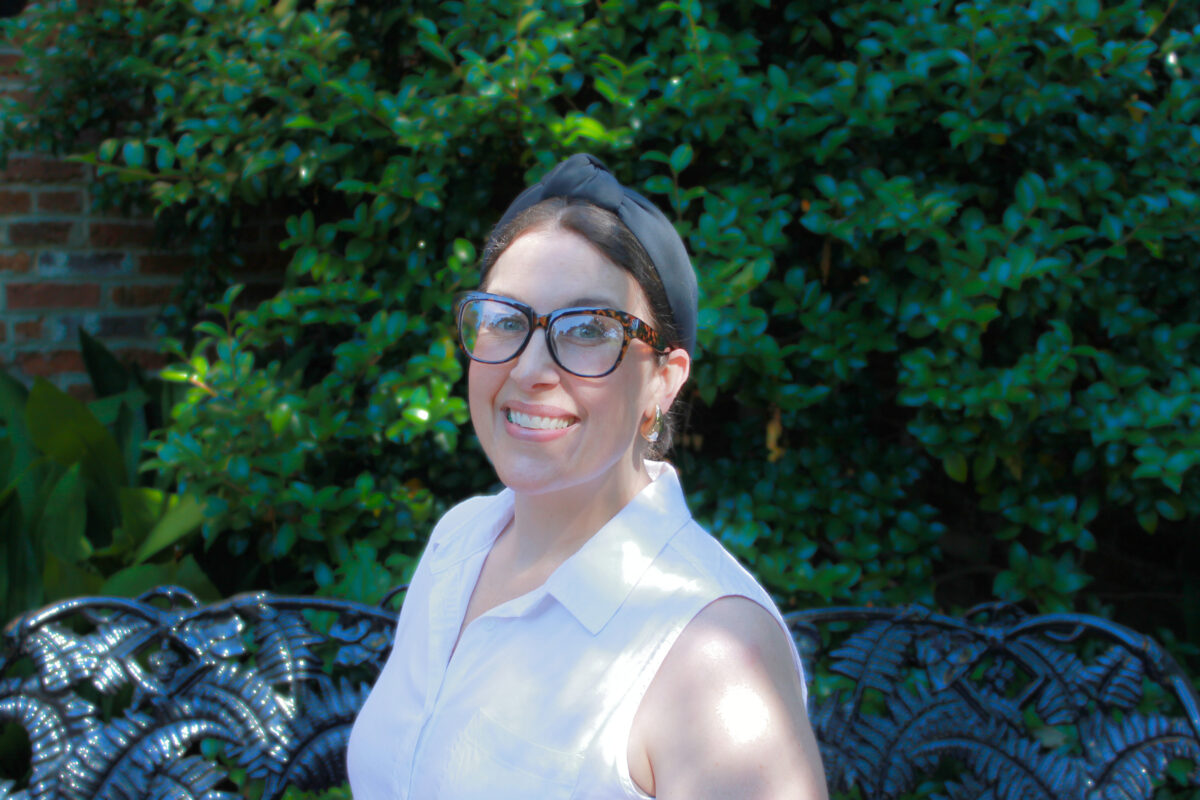


 After a decade of service, our fantastic Post Award Operations Manager, Paula McIntyre, bids farewell to the Owens Institute for Behavioral Research (OIBR) to begin an exciting new chapter in her career with Memorial Sloan Kettering Cancer Center.