Generic selectors
Exact matches only
Search in title
Search in content
Post Type Selectors

Category: Past News

Active Video Games Get People Moving

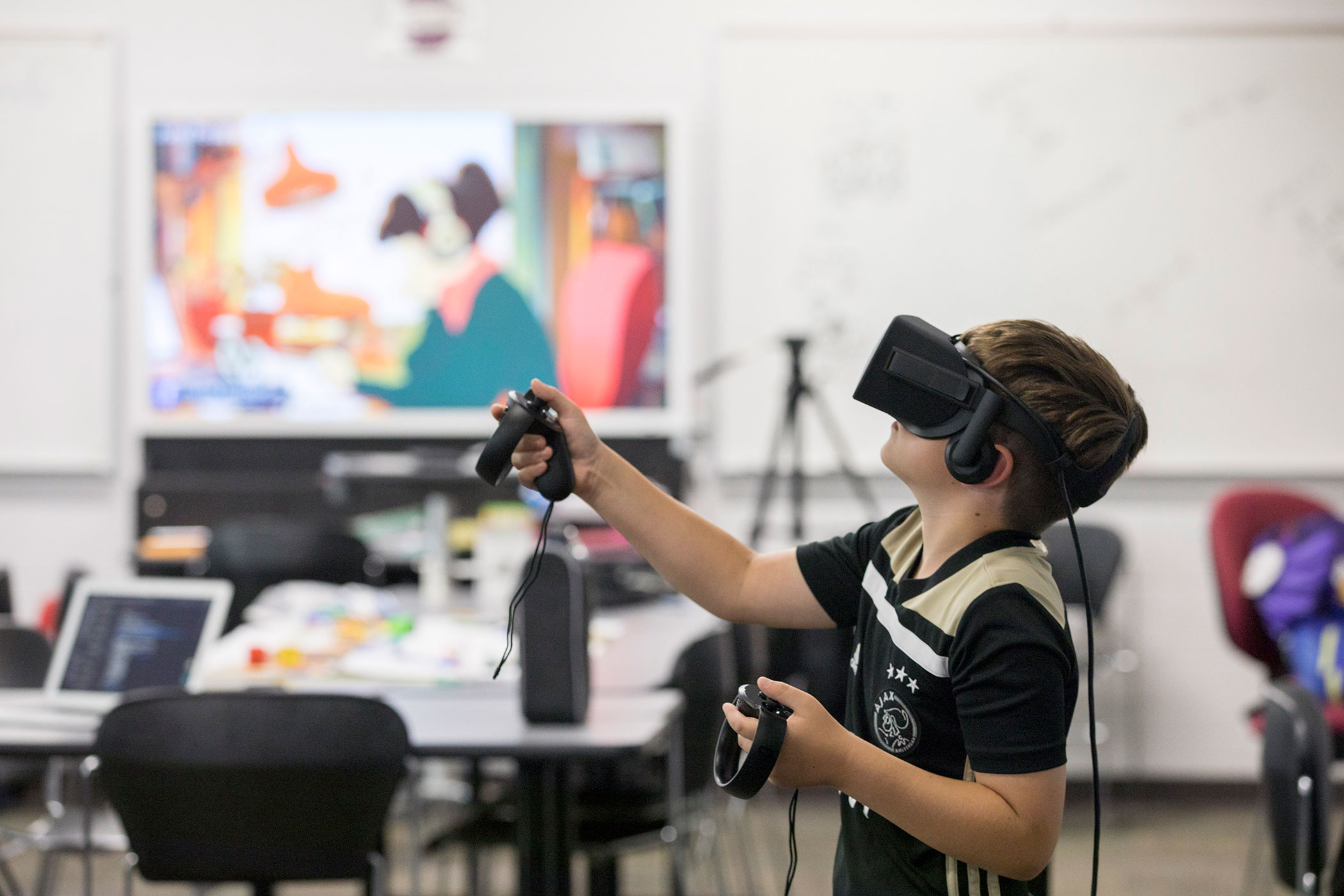
A child wearing a virtual reality headset plays a game in a classroom setting.

A child uses a virtual reality headset. (Photo by Dorothy Kozlowski)


Study shows exergaming has positive health effects for people who don’t want to hit the gym.

Working out isn’t known for being fun. But new active video and virtual reality games may help change that.

Exergaming, or active video gaming, may be the perfect introduction to helping people be more active, according to new research from the University of Georgia.

Just about anyone can find an exergame to match their interests. Dance Dance Revolution, EA Sports Active and Beat Saber are some of the more popular exergames. Active gaming options exist for most gaming consoles, like Xbox and Nintendo. And previous research has shown that exergaming can have physical benefits, particularly when it takes the place of traditional sedentary video gaming.

The study showed that exergamers felt high levels of satisfaction and a sense of autonomy over their exercise regimen.

Yli-Piipari

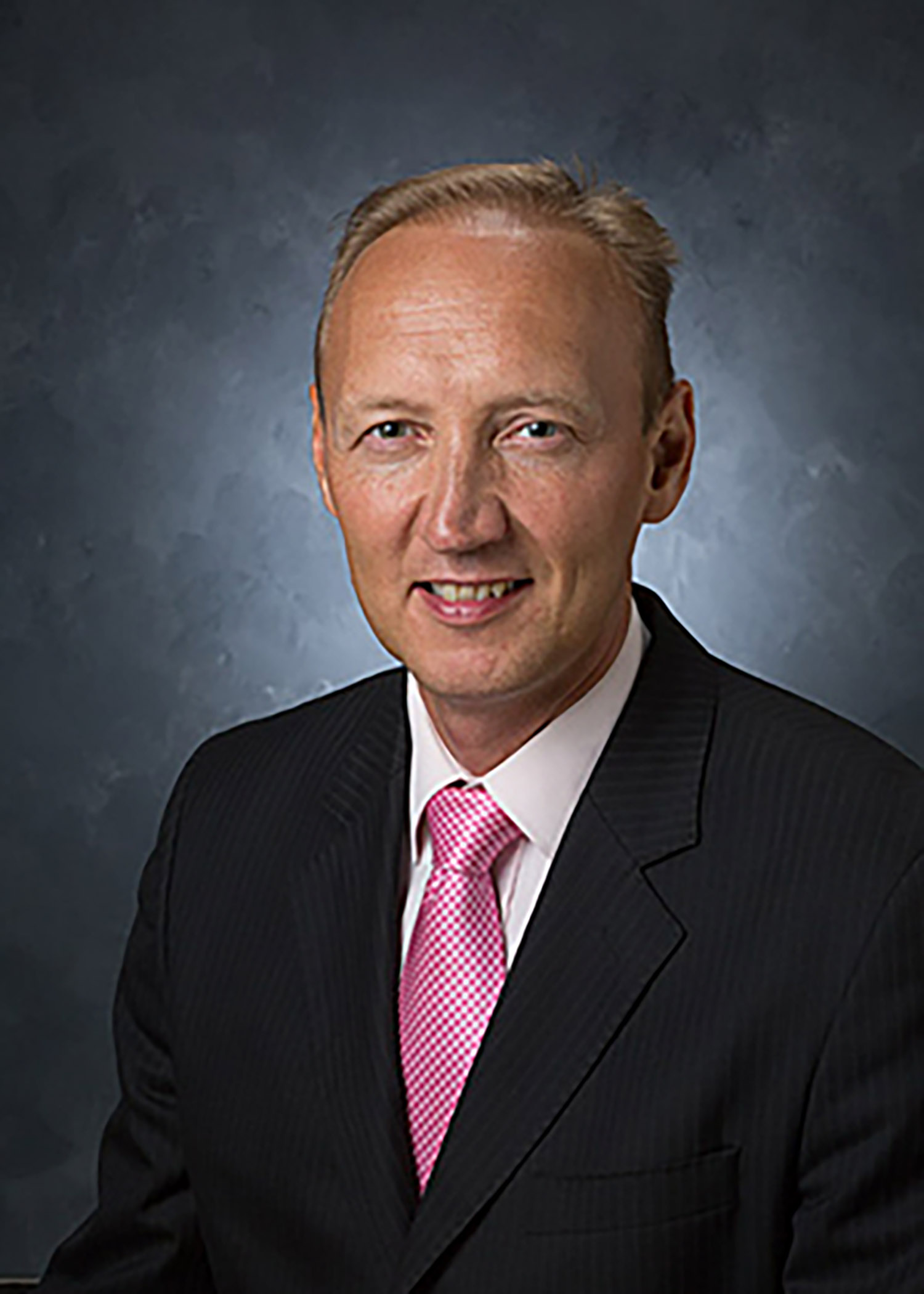
Sami Yli-Piipari

“When an individual feels autonomous, they’re more likely to exercise or exergame on their own,” said OIBR Affiliate, Sami Yli-Piipari, co-author of the study and an associate professor in the Mary Frances Early College of Education. “They feel ownership over what they are doing, and they’re doing it for themselves, so it’s more likely they will keep up the activity.”

Traditional exercise, such as weightlifting or running, doesn’t appeal to some people. But they might be open to active video gaming because it doesn’t seem like exercise. It’s just fun.

That desire to play might help people dip their toes in physical activity without the pressures or boredom that sometimes come with heading to the gym, said Yongju Hwang, corresponding author of the study and doctoral student in kinesiology.

Exergaming can serve as introduction to increased physical activity

Published in the International Journal of Sport and Exercise Psychology, the study followed 55 people whose daily physical activity was below the recommended 150 minutes per week.

Participants were randomly assigned to either exergame or participate in traditional aerobics classes three times a week for six weeks. Exergamers could choose from a variety of games including Just Dance, Kinect Sports and Zumba Fitness World Party over the course of the study.

The study measured physical activity and exertion during the exercise sessions with accelerometers, heart rate monitors and a scale that measures how hard participants believed they were working out. The researchers also used a variety of scales to assess participants’ enjoyment of their workouts and their motivation for working out, among other things.

I see exergaming and technology-enhanced exercise as…the first step in the right direction, especially for people who are not involved in any kind of exercise.” —Sami Yli-Piipari, College of Education.

The individuals assigned to the traditional classes worked out harder than their counterparts in the exergaming group. The supportive group environment of these types of classes has been shown to encourage people to give their all and holds them accountable for showing up.

“That makes sense because you probably will push yourself harder if somebody is looking over your shoulder rather than playing a game alone,” Yli-Piipari said.

But the exergamers had a better time. And that, coupled with a sense of ownership over their exercise routine, makes it more likely that they’ll keep it up and possibly be more open to other physical activity in the future.

“I see exergaming and technology-enhanced exercise as a stepping stone,” Yli-Piipari said. “It’s the first step in the right direction, especially for people who are not involved in any kind of exercise.”

Use active video games to decrease sedentary time

But active video games and their positive health effects aren’t just for adults.

Exergames are also an easy way for parents to increase their children’s physical activity, the researchers said.

“When you are buying games for your children or for yourself, try to buy games that have some activity in them,” Yli-Piipari said. “If you try to force your children to be active, they may do it because you’re telling them to. But the likelihood they continue to be active when you turn your back is low.”

For kids and many adults, playing a video game doesn’t feel like exercise.

“We forget sometimes that it’s really hard for inactive people to take that first step,” Yli-Piipari said. “These games may be able to address that problem.”

The study was co-authored by YangYang Deng, a graduate student in kinesiology; Mika Manninen, a doctoral graduate and Fulbright Scholar from the Department of Kinesiology; Sophie Waller, a doctoral student in kinesiology; Ellen Evans, director of UGA’s Center for Physical Activity and Health; Michael Schmidt, associate professor of kinesiology; and Senlin Chen, of Louisiana State University.

Written by: Leigh Beeson
Contact: Sami Yli-Piipari

Research by Dr. Erin Dolan notes that distance lab learning can continue

As most of the world came to a halt at the onset of the COVID-19 pandemic, researchers were trying to find a way to engage students through research at a distance. OIBR Distinguished Scholar and UGA professor of biochemistry and molecular biology Erin Dolan and her research team carried out a study to appraise the remote programs that grew from this challenge.

Erin Dolan

The study evaluated 23 programs at colleges, universities, and research institutions across the country. Most of these programs were eight- to 10-week internships.

“We wanted to get a sense of how the programs worked so we could make recommendations as the programs were ongoing as well as see ways we could make them stronger and better for remote research going forward,” said Dolan, Georgia Athletic Association Professor of Innovative Science Education. “We wanted to know what happened and was it good from a student perspective because these programs are developed to serve students and help them grow.”

The researchers conducted a descriptive evaluative study where they asked participants to describe the novel approaches used to execute the remote research. Participants also reported on the strengths and weaknesses of their programs and made suggestions for improvements. Undergraduate researcher Olivia Erickson, a senior majoring in biology, and others on the research team compiled the feedback and analyzed overarching themes.

What worked and didn’t work remotely

“One of the strong points the students noted was the quality of the mentorship, which is great because many faculty have little mentorship training, especially on how to mentor remotely,” said Dolan. “Being able to pivot and provide that needed support from a distance is crucial.”

The students also felt they learned a great deal and studied topics they might not have if the internship was in person. Most of the programs changed their projects to computational work, and the students developed skills they wouldn’t have otherwise used.

While the students felt the programs did a good job of fostering connections, students felt they missed out on the informal interactions that happen during in-person programs.

“Students also had concerns about the lack of structure. Doing research involves a lot of uncertainty. You don’t know what is going to happen day to day, it depends on the results,” said Dolan. “When you work from a distance, there is further uncertainty because you don’t have the structure of the workday, you wonder, am I working enough, am I working too little, when should I stop working?”

Despite that, the institutions were able to take advantage of remote research to schedule lectures and network opportunities with contacts from across the country. The students were able to engage with a much broader group of scientists.

Research at a distance opens two avenues. First, for students who are geographically limited, whether by other responsibilities or financially, being able to do research at a distance allows institutions to reach more students. Second, there is also a cost savings for the institutions. If the institutions are not providing housing, food and other necessities for participants, it’s possible they could use those savings to offer more internship spots.

“The evidence from our study suggests it would be worthwhile to pursue these kinds of programs in the future,” said Dolan. “It gives me some faith that there is value in remote research for engaging a broader group of students.”

Story Source: UGA Today
Written by: Katie Cowart
Contact: Erin Dolan

Geography affects mental health care

People in urban areas had better access to care and lower copays than rural areas

Substance abuse, access to mental health care and costs remain a burden for people living in rural areas, even if they have private insurance.

These are the findings of a new study published recently in the Journal of Rural Health.

Zhuo “Adam” Chen

The study, led by OIBR Affiliate Zhuo “Adam” Chen at the University of Georgia College of Public Health, examined over 10 years of insurance claims data from 2005 to 2018, detailing how adults with employer-based, private insurance used and paid for mental health care services in urban and rural areas.

The researchers found that overall, urban enrollees used more mental health care than rural ones. And although the usage gap narrowed from 2005 to 2018, the quality and cost of care weren’t equitable, even for privately insured patients.

“Rural enrollees have a higher share of copays, and they are relying on primary care physicians and nurses much more than the urban area enrollees,” said Chen.

Higher personal costs for rural patients

Rural patients also paid higher out-of-pocket costs for mental health care, according to the study.

The reason for this is unclear from this analysis, but it’s likely, said Chen, that rural enrollees had to use providers outside of their insurance networks more often due to a lack of specialists in their areas, which would mean paying more for those services.

The study showed urban enrollees had higher rates of depression, but Chen said the data is tricky to interpret because it’s unclear whether more city dwellers were struggling with depression or just had better access to care.

But, claims data underscored the rise of substance abuse in rural communities observed in the last decade.

“Even among those in better economic conditions – they have a job and they have health insurance – I do think that this highlights the burden of substance abuse in rural areas,” said Chen.

Lack of providers driving gaps

Geography continues to play an outsized role in a person’s ability to access mental health care, mostly because the availability of specialists in rural areas is dwindling as demand for mental health services is increasing.

The authors offer two policy recommendations to better connect patients with mental health services: incentivize mental health providers to practice in rural areas and expand telemedicine.

Chen says more work is needed to understand how provider shortages, geography and insurance networks overlap to contribute to the gaps they observed in this study.

Story source: UGA Today
Written by: Lauren Baggett
Contact: Zhuo “Adam” Chen

OIBR Faculty Awarded Presidential Interdisciplinary Seed Grants

A collage of six headshots of diverse adults surrounds a central black box with white text reading Presidential Interdisciplinary Seed Grant Awards.

Top Row: Soroya McFarlane, Anna Abraham, Thomas Mote. Bottom Row: Grace Bagwell-Adams, Lawrence Sweet, Tiffany Washington


Six Owens Institute affiliated faculty members are recipients of the third round of Presidential Interdisciplinary Seed Grants.

Eleven grants totaling $1.5 million were awarded in November 2021 to recipients of the third round of Presidential Interdisciplinary Seed Grants. Overall the awards went to faculty from 13 UGA departments, centers, programs, schools and colleges.

The program launched in 2017, with a second round of grants in 2019, through a partnership between UGA Research and UGA Public Service and Outreach. Teams in the first two rounds were highly successful at winning external funding to pursue the work initiated through these seed grants.

“I am pleased with the continued success of this program as the University of Georgia seeks ways to grow our research enterprise and expand the impact of our faculty,” said President Jere W. Morehead. “Research funding opportunities such as the Presidential Interdisciplinary Seed Grants are investments in the future of our state, nation and world as well as our university.”

In all, 89 faculty teams submitted research proposals in round three, targeting significant challenges at the local, national or global level that align with the goals in UGA’s 2025 Strategic Plan. Examples include areas identified by the Provost’s Task Force on Academic Excellence (precision agriculture, security, climate and environment, brain and behavioral sciences, and  data science and AI), as well as those requiring close collaboration between social/behavioral and biomedical faculty.

“UGA faculty are finding creative ways to explore challenges that affect our daily lives,” said Karen Burg, vice president for research. “We’re looking forward to seeing how their collaborations across subject areas result in novel approaches and innovative solutions.”

Some of the proposals that received Presidential Interdisciplinary Seed Grant funding include:

A project team including Grace Bagwell-Adams (OIBR Affiliate), Lawrence Sweet (OIBR Distinguished Scholar), and Tiffany Washington (OIBR Affiliate), in addition to several other faculty members, will develop a UGA center focused on countering state-wide disparities in prevention and access to health care for Alzheimer’s disease and related dementias (ADRD).

“The THRIVE Project: Development of a Mother-Centered ‘Lay Doula’ Communication Intervention to Improve Black Maternal Outcomes.” Soroya McFarlane (OIBR Grant Development Program participant).

“From AI Ethics to AI Aesthetics: Artificial Intelligence and Aesthetic Harm,” includes team member Anna Abraham (OIBR Affiliate).

“Developing New Storm Design Criteria for Natural Hazards Planning Research and Practice.” Thomas Mote (OIBR Affiliate) and other campus interdisciplinary faculty members.

To learn more about these projects and others, read the full story here.

Center for Family Research Scholar Spotlight, Sycarah Fisher

A woman smiles outdoors next to text describing her journey as a UGA professor in search of identity through research and service.

When she worked as a school psychologist, Sycarah Fisher found that the students labeled “bad” were her favorite kids. As she dealt with them, she “learned to love them and realize that their behaviors are a symptom of a much larger problem.”

That much larger problem is now a central focus of her research as a UGA associate professor of educational psychology and collaborator at the university’s Center for Family Research. Her goal is to help counselors and social workers, as well as the entire school system, recognize that when students present with problem behavior, including substance use, the solution is not the harsh discipline that leads to a “school-to-prison pipeline,” but instead, evidence-based mental health services that take the context of the behavior into account.

“there is a level of system disorganization that prevents real change”

It’s not that teachers and administrators do not care, according to Fisher, who serves as graduate coordinator in the Department of Educational Psychology at the Early College of Education. Most of them are “super hardworking, caring, loving and want the best, but there is a level of systemic disorganization that prevents real change,” she said. “I think it’s partially because you’re dealing with a population that has its own chaos going on.”

As one high school student described to her, his use of pot was a coping mechanism for the bedlam in his life. Taking this kind of context into account includes understanding the effects of race-related stressors on substance use practices as well as racial identity as a factor that can protect youth from some of these stressors.

When Fisher left a school psychologist job in Washington, D.C., to become a professor and researcher, she left in tears, telling students that her scholarly work was “going to make schools better places for you to be in.” It is a promise she is working to fulfill.

The roots of her selfhood and career

While her career path makes sense, it is probably not what anyone would have predicted. Her parents divorced when she was just 3 months old, and she lived exclusively with her mother in a duplex across the street from “the projects.” But wanting to improve their lives, her mother went back to school before Fisher started third grade, and to accommodate this, she moved in with her father where she lived much more affluently and attended better schools.

Dr. Fisher, far right, in a rare childhood gathering with her siblings from both families in 1991.

Dr. Fisher, far right, in a rare childhood gathering with her siblings from both families in 1991.

Going back and forth between these households and watching her half-siblings in each grow up in very different environments, fueled her ability to depend on herself and gave her an unusual perspective.

“Seeing that my brothers sort of crumbled under those sort of adverse childhood experiences … made me really interested in studying resilience when I was in graduate school,” she said. The interest was both practical and academic. “When they experience very similar things, what makes some people rise to the occasion and go above it, and what makes some people really just crumble?”

Clearly, Fisher has been resilient from the start, though ironically, she was looking at her high school report card with her 10-year-old daughter recently and noticed she got a D in psychology—a class she remembers liking. Her surprised daughter said, “You got a D in the field that you work in?”

It caused Fisher to wonder what was going on in her life at that point. But it gave her a chance to show her daughter that perseverance pays off, and she concluded that her circumstances created the drive in her to succeed. “Something needs to happen,” she remembers thinking, “or otherwise, I’m going to still be in this constant sort of chaotic cycle.” Even her family seemed to expect the chaos to prevail. “You know,” her mother once said, “we’re surprised you turned out so well.”

“I don’t need a layup”

Fisher overcame the expectations, and this “I’ll show you” response occurred again years later when she was an assistant professor at Howard University and contemplating a move to another school. A superior said to her, “Getting tenure at those big research one institutions is really hard. Do you think you really want to go, you know, and deal with that?” It lit a fire under Fisher who made the move partly to prove she could make it anywhere and because, as she put it, “I don’t need a layup” to succeed. She moved from Howard to the University of Kentucky before landing at UGA where she was awarded tenure last year.

Rushing to success has been a theme in her life. She skipped first grade; finished college early; and has often been given responsibilities quickly in her work such as becoming the director of the doctoral program in school psychology at Howard University after just her first semester there.

It is hard not to wonder if she fits the mold of  “John Henryism,” a concept which underlies much of the work at UGA’s Center for Family Research. It is the idea that some African Americans are highly driven to succeed despite having to overcome circumstances that make success difficult such as a lack of resources and having to overcome personal and systemic racism. Though they succeed, they pay a price in their health through increased metabolic disease caused by the long-term effects of stress.

“I definitely resonated with a lot of the things that he was saying,” she says of the conversation she led in an online symposium with John Henryism theorist, Sherman James, though thus far, fortunately, she does not fit mold because stress-related disorders have not manifested themselves (Fisher thinks she may have been somewhat protected because of her regular use of exercise and meditation).

But the psychology of race is certainly part of her story. Her father insisted on his children living in the best neighborhoods and going to the best schools, and that meant being in mostly white neighborhoods and schools. When she would go back to her mother’s home, friends there noticed the difference and would ask, “why do you talk like that?”

These experiences inform her research on ethnic identity. “I had a really hard time with my own identity development growing up in spaces like that,” she said. It was difficult to navigate being one of only two Black kids in her entire class while living with her dad, and then going back into a more diverse working-class neighborhood and school at her mother’s. “I had a lot of internalized racism,” she admits. There was no discussion of what it meant to be African American or encouragement to look at the great things that Black people have done.

Sycarah Fisher during a recent discussion in one of her courses.

As in much of her life, Fisher dealt with the issue herself. “I had identified in myself that I was struggling with aspects of my identity and internalized racism that I needed to confront head on,” she says, so she intentionally chose a Historically Black College/University for college—Hampton University. It helped. “I got to see the heterogeneity of Black people as opposed to the monolith that they try to sell you in TV and news,” she says, which led to her forming a better sense of herself in her family and as an African American.

“You never quite know where you fit in”

This kind of racial socialization which was missing in her upbringing is part of her research now, and it is part of a growing body of research that demonstrates how racial socialization strategies for African American youth can shield them from some negative outcomes associated with interpersonal and systemic racism.

Fisher’s confusion of racial identity paralleled an uncertainty about her place in the world in general. Shuffling between her parents’ households—each with a different set of siblings—meant having to find her place in each, every time she rejoined them. “You never quite know…where you fit in,” she said.


Research and Implementation

Steve Kogan, Fisher’s mentor, seems to think she has found her place at UGA. He describes her as “brilliant, committed, and kind.” Fisher reached out to Kogan, Athletic Association Professor of Human Development and Family Science at UGA, to find other scholars who were interested in substance use and Black youth. Now the two work together as part of CFR’s Center for Translation and Prevention Science, which seeks to understand the factors that protect rural African American youth from the stress of low-resource environments and racism.

Kogan also mentors her in another project, the OIBR grant development program through the Owens Institute for Behavioral Research, which is strengthening her skills in seeking external funding.

Fisher teaching a recent Multicultural Psychology and Social Justice class.

But it is not all about research and service for Fisher. She fully embraces her role as an instructor as well. “I love those connections and relationships and helping to train future generations,” she says, and that enthusiasm is backed up by several teaching awards.

First-year doctoral student Brianna Caldwell said Fisher drew her to UGA. It was Fisher’s approach to studying mental health and substance use that got her attention, but it was Fisher’s general demeanor that drew her in. Caldwell is now Fisher’s advisee and works in her PRISMS Lab (Prevention Research In Substance use and Minority Health in Schools).

“she encourages me and pushes me to think really critically about things”

Not long ago, Caldwell texted Fisher and asked, “Do you have five minutes?” The five-minute conversation turned into 15 minutes, and “she literally talked to me as she was getting ready to do something else,” Caldwell said. Whether through work, class or individual conversations, “she encourages me and pushes me to think really critically about things.”


Over the course of her career so far, from her doctoral work at Michigan State University, faculty positions at Howard University and the University of Kentucky, and now at UGA since 2019, Fisher has focused her work in two areas: examining risk and resilience patterns among African American youth related to mental health and substance use, and ways of expanding mental health services and substance use prevention in low-income, minority serving schools.

A PRISMS Lab meeting with Fisher and Caldwell (left, center) along with Madison Rodriquez, left, and Shlon Smith, right.

The latter work, in keeping with her promise to her former high school students to make schools better for them, is the object of projects with CFR and her own lab. “Everybody’s talking about implementation of evidence-based substance use prevention programs,” Kogan says, “but not really in the context of high stress schools.” Combining basic research on factors that contribute to substance use with intervention training in public schools, Fisher is working to expand the reach of evidence-based interventions. “As far as we can tell,” Kogan says, “she’s the first person to really pose questions about this.”

You cannot get around describing Fisher as driven when considering her career. It is a trait that apparently has its roots in her early life experiences. After a childhood spent wondering where she belonged, it seems she has found her place, or perhaps more accurately, she has made her place.


Dr. Sycarah Fisher


Story source: Center for Family Research Scholar Spotlight
Written by: Dr. David Pollock
Photographs: David Pollack

Influence of Social Media Can Shape Views of College Student Relationships

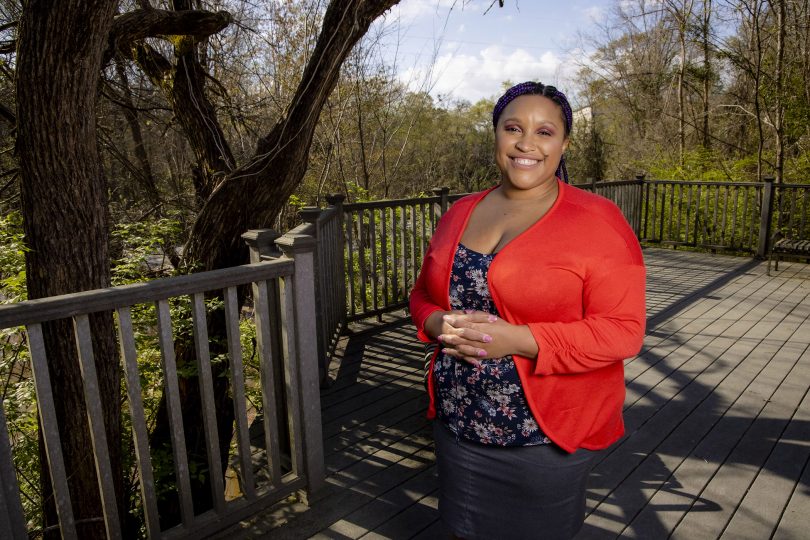
A woman wearing a red jacket and floral top stands on a wooden deck surrounded by trees on a sunny day.


New study by OIBR Affiliate, Adrienne Baldwin-White, shows that what we consume online can shape views of consent and sexual activity.

Men and women often have differing views around the expected norms for romantic relationships, consent and sexual activity, and the messages and images they consume on social media may play a role in shaping those perceptions, according to a new study from the University of Georgia.

Sexual activity and behaviors affect the daily lives of college students, many of whom are living on their own for the first time. This freedom, coupled with the insulated nature of college campuses, potentially could outsize the impact social media has on students’ beliefs and perceptions of those behaviors.

To better understand this dynamic, a research team led by Adrienne Baldwin-White from the UGA School of Social Work surveyed college students between the ages of 18 and 25, asking them a series of questions to better understand the relationships between their use of different social media platforms and how that use affected their understanding of healthy relationships.

“The vast majority of my research is about prevention and evaluating those things that lead to the continued prevalence and perpetration of sexual assault on college campuses,” Baldwin-White said. “A big part of that is looking at people’s attitudes and beliefs, as well as looking at the social and cultural norms that they adhere to. I started to realize that, especially now for this generation, a lot of those norms are influenced by social media, and I also wanted to see if we can use social media to change them.”

The research found that, across the board, women had consistently healthier views around what is appropriate in a relationship. They were less likely than men to believe using violence is acceptable and more likely to have a healthy perception of consent. The study also revealed that women were more likely to value or place importance on their partner’s desire for sex.

Social media posts, Baldwin-White said, often amplify existing stereotypes and perceptions. It’s just one more example of the type of messaging that tells both genders what they should be.

A mix of social media messages

The female students also used social media more than their male counterparts, spending more time across the various platforms, sharing and scrolling through content. Because of this, women are more likely to see a diverse mix of images and messages, which could influence perceptions about relationships. Though even positive images can send mixed messages.

“I think a lot of young people see the word ‘relationships’ and see all of the happy, pretty pictures, and they think that is what good relationships look like,” Baldwin-White said. “But they have no context, and they also have no skills on how to deal with conflict when it does arise in relationships, because all they see is that good relationships are happy all the time. They never see the conflict, they never see couples fight, and they think this is what everything should look like.

“I think the harm in blaming social media is that it dismisses the fact that social media doesn’t create these norms, but rather reinforces them,” she said. “College students are being inundated with them now. I often think they don’t realize how much they’re being influenced by the images they see on Instagram or the videos on TikTok. It’s almost mindless absorption.”

If social media can play a role in exacerbating some negative perceptions, Baldwin-White said it also can promote more positive ones. She noted that social media has helped many people who deal with social anxiety and have a difficult time finding a supportive community. Additionally, parents, mentors and peers can actively engage with college students in promoting positive role models and healthier content to follow on social media.

“We have to be open to how young people are using it, and then teach them how to use it in a healthy way,” Baldwin-White said. “It needs to start in high school, and then that way, you can also implement strategies to help them learn how to combat some of those problematic norms.”


Article Source: UGA Today
Written by: Johnathan McGinty

Grace Ahn Receives $500k Grant from National Oceanic and Atmospheric Association for VR Research

A woman sits at a desk next to a VR headset, with a computer screen displaying blurred text and an image in the background.

Sun Joo “Grace” Ahn, director of the GAVEL Lab; associate professor, advertising; Grady College of Journalism and Mass Communication, University of Georgia


OIBR Distinguished Scholar, Sun Joo “Grace” Ahn, will lead a team of researchers for a Virtual Reality project through a $500,000 grant funded by the National Oceanic and Atmospheric Association.

The grant will fund a project called “Salient, Interactive, Relevant, Confidence, and Action (SIRCA): Using Virtual Reality Storm Surge Simulations to Increase Risk Perception and Prevention Behaviors.”

The project uses VR to better communicate and educate the risks of storm surge and climate change among coastal residents of Georgia and South Carolina.

“The problem of climate change and sea level rise is complex,” said Ahn, director of the Games and Virtual Environments Lab (GAVEL) at Grady College. “We need to be cognizant of the fact we are trying to solve a complicated issue and help communicate these safe practices with different resources and needs.”

The new grant proposal focuses on two areas: 1. the experience of storm surge and mitigation behaviors and 2. creating a cross-platform experience that can be used with both headsets as well as a two-dimensional experience, like a kiosk at a museum, to reach the largest number of people.

Viewers, for example, may go through a simulation where they see their home flooded and experience personal risk through a storm surge. Different solutions users could have taken to mitigate the damage ahead of time are presented, like buying flood insurance, elevating their house and evacuating. The exercise is then repeated to show the effect of the viewer’s decision.

This new project is an extension of a prototype developed a few years ago that used VR to demonstrate the extent of damage to a home hit by a hurricane. The prototype was funded through a 2017 UGA Presidential Interdisciplinary Seed Grant.

Ahn explains that organizations like NOAA are looking for the most effective ways to communicate the dangers of severe weather, and VR has been successful in converting messages to action. This is one of the first research grants like this from the NOAA Weather Program Office.

Studies show that messages delivered through a VR immersive experience have a longer lasting impact versus messages delivered by video or written communication.

The UGA Marine Extension and Georgia Sea Grant is a partner in this research along with Clemson University and the National Weather Service South Carolina office.

Jill Gambill, a coastal resilience specialist with the UGA Marine Extension and Georgia Sea Grant, explained this will be an important step in communicating story surge risks brought on by hurricanes and this information is expected to be used by the Weather Service, Department of Natural Resources and emergency managers, among others.

“It can be difficult to estimate the risks and this can be helpful in understanding the impact and lesson the threat to their homes and to their families,” Gambill said. “It’s exciting to be working with this really cool product that will help people be safer.”

Another important part of this project is offering options that are available to diverse circumstances.

“We know options like elevating a house aren’t available to everyone and we want to make sure we are cognizant of presenting a range of recommendations to mitigate risk,” Gambill said.

The team will be working with organizations like the National Estaurine Research Reserve and Harambee House, an environmental justice group in Savannah, to ensure that the solutions meet the needs of communities.

The simulations will be paired with training modules through workshops and outreach, as well as follow-up surveys over time to determine if any actions were taken by those who experienced the VR education.

One of the most important benefits of VR is its impact in translational science, or taking scientific findings and communicating them to audiences so they can make informed decisions.

“Projects like this provide a huge opportunity for communication scholars to address critical social issues like climate change and directly impact the communities around us through communication science,” Ahn said.

The research is expected take place over two years.


Article written by: Sarah Freeman, freemans@uga.edu

Paula Lemons Named Associate Dean for Social and Behavioral Sciences in Franklin College

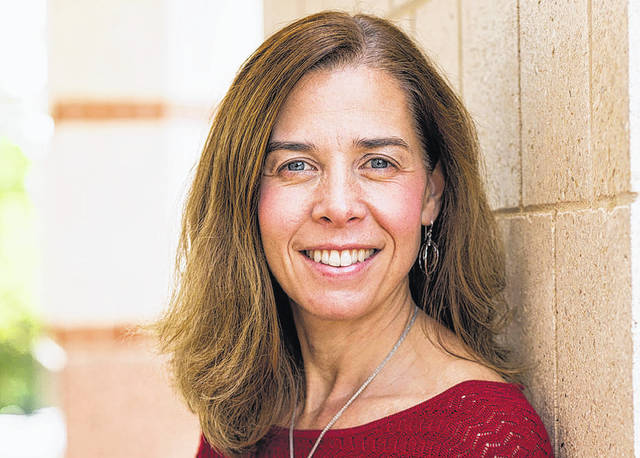
A woman with shoulder-length brown hair wearing a red top and necklace, smiling while leaning against a light-colored brick wall.


OIBR Distinguished Scholar, SEER Director and OIBR Executive Committee member, Dr. Paula Lemons was selected as the new Associate Dean for Social and Behavioral Sciences in the College of Arts and Sciences. She will serve as the associate dean for the Social and Behavioral Sciences and will also have general responsibilities for graduate education and the college’s instructional budget.

Dr. Lemons is a Professor in the Department of Biochemistry & Molecular Biology. She teaches in the life sciences, and her research is focused on social science and particularly improving science education. She serves as Director of the UGA Scientists Engaged in Education research (SEER) Center, and as a Distinguished Scholar and Executive Committee member of the UGA Owens Institute for Behavioral Research. Paula’s work has been consistently funded by the NSF, including a 2014 CAREER award investigating biochemistry learning that led to her receipt of the Presidential Early Career Award for Scientists and Engineers. Paula is Principal Investigator for the Department and Leadership Teams for Action program, or DeLTA, funded by the NSF to engage more than 100 UGA faculty across multiple departments to transform STEM education by promoting continuous improvement and inclusion and diversity. Paula’s teaching excellence has been recognized through the University System of Georgia Board of Regent’s Excellence in Teaching Award and the Franklin College Sandy Beaver Teaching Professorship.


Tiffany Washington Awarded 2021 Research Grant from the Alzheimer’s Association

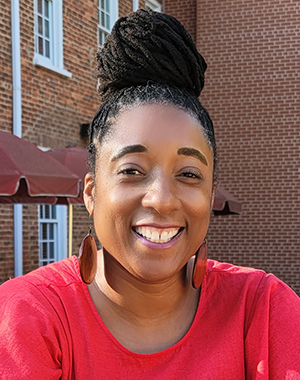
A woman with braided hair in a bun, wearing a red top and wooden earrings, smiles outdoors in front of a brick building.

Tiffany Washington
Associate Professor
University of Georgia School of Social Work


Dr. Tiffany Washington, OIBR affiliate, past Grant Development Program participant and associate professor at the University of Georgia School Of Social Work, has received a 2021 Research Grant Award from the Alzheimer’s Association to develop a student-delivered virtual respite program to support family caregivers.

This new funding will aim to improve quality of life for people living with Alzheimer’s or other dementia, and their caregivers.

The grant award provides Dr. Washington $150,000 over three years. This study is a community-university partnership to support a gerontological social work student-delivered respite program, the Houseguest Program (Houseguest). Houseguest was designed using a community-engaged scholarship model of integrating research, teaching, and service.

The Alzheimer’s Association is the largest nonprofit funder of Alzheimer’s research in the world. The Association is currently investing over $250 million in more than 730 active projects in 39 countries spanning six continents.

Attracting more brilliant and innovative scientists to the Alzheimer’s field is a major goal of the Alzheimer’s Association Research Grant and Fellowship Awards, including the Clinical Scientist Fellowship. The program funds primarily early-career scientists working on new ideas in Alzheimer’s research. The hope is these projects will generate exciting new data and strategies that will lead to future grant applications to government and other funding sources, including larger grants available through the Alzheimer’s Association. The Association makes it a high priority to support researchers from underrepresented racial and ethnic groups.

“The only way we will achieve a world without Alzheimer’s is through research. Funding Dr. Washington not only supports this critical project but is part of a broader Alzheimer’s Association effort to keep the best and brightest scientists working on this disease,” said Linda Davidson, Executive Director, Alzheimer’s Association, Georgia Chapter.

Dr. Washington is regarded as one of the leading researchers in the role aging has on overall mental and physical health. In particular, she designed a dementia caregiving service-learning course that relies on an engaged scholarship approach that integrates research, teaching, and service to understand the impact of dementia on individuals, families, and communities.

She also has focused much of her work on designing and implementing culturally targeted social and behavioral interventions aimed at reducing the burden of health disparities.

Prior to her academic endeavors, she tallied five years of practice experience in medical social work, which laid the foundation for her work to better understand social work practice in health care settings. Dr. Washington, who also is the director of UGA’s Ghana Studies Away program, has received several research and training grants, including the John A. Hartford Doctoral Fellow

“Respite services are an essential part of the caregiving process, enabling caregivers to take a much-needed, self-identified, self-care break,” said Washington. “Houseguest enables our students to provide a unique form of respite, while they also learn about the impact of dementia on family systems, and the need to reach families with more support services. These experiences also will inform our ongoing research, allowing us to collect vital data and information about the feasibility of virtual respite to address the unmet needs of the caregivers and their care receivers.”

The Research Grant and Fellowship Awards are part of the broader Alzheimer’s Association International Research Grant Program. Alzheimer’s Association funding has led to some of the most important research breakthroughs, including the first Alzheimer’s drug studies, the ability to visualize amyloid plaque buildup in the living brain, and advances toward a simple blood test for Alzheimer’s.

Alzheimer’s is the sixth-leading cause of death in the United States. It kills more Americans than diabetes and more than breast cancer and prostate cancer combined. More than 6 million Americans are living with Alzheimer’s disease, according to the Alzheimer’s Association 2021 Alzheimer’s Disease Facts and Figures. By 2050, the number of people with Alzheimer’s is projected to increase to 12.7 million, barring the development of medical breakthroughs to prevent, slow or stop the disease. In Georgia alone, there are more than 150,000 people living with the disease and 334,000 caregivers.

Source: Savannah Business Journal

Kerstin Emerson named Director of Online Learning

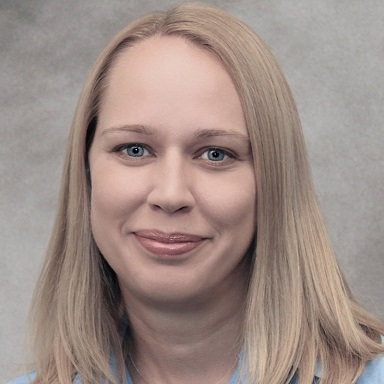
A woman with straight blonde hair and blue eyes is smiling slightly, facing the camera against a gray background.


Kerstin Emerson, an OIBR Grant Development Program graduate (Class of 2019), has been selected to lead the Office of Online Learning at the University of Georgia College of Public Health.

A clinical associate professor in the Institute of Gerontology at the College of Public Health, Emerson has been teaching at the College for 11 years and coordinating both undergraduate and graduate course offerings through the Institute for six years. In 2017, Emerson was selected as an Online Learning Fellow through UGA’s Office of Online Learning.

That same year, Emerson spearheaded the effort to move all Institute of Gerontology courses online and worked closely with incoming gerontology faculty to make sure that all gerontology courses were consistent and high quality for students.

“With Dr. Emerson’s expertise and passion for online learning, there is no one better to lead our work,” said Marsha Davis, dean of the College of Public Health.

As head of the College of Public Health’s Office of Online Learning, Emerson will manage the College’s current programs and resources supporting faculty, teaching assistants, and students engaged in online learning. In addition, Emerson will work with College leadership to advance CPH’s goal to be a leader in hands-on, interactive teaching.

“In public health, as in other fields, there have been major shifts in the development and launch of accessible degrees,” said Davis. “It is part of our strategic plan to develop and disseminate high-quality online public health education, both in training the future public health workforce and advancing the career of working public health professionals.”

There are many ways to do this, said Emerson, but one focus will be offering more online graduate programming.

“We already offer two fully online certificates, and we are exploring what other programs would be good for offering online. We will develop these programs thoughtfully, assuring they meet high quality standards and that they will be hands-on and interactive,” said Emerson.

“Additionally, we want to focus on offering high-quality community engagement and education. The pandemic showed us the power of leveraging online to reach the community, but it also taught us that this needs to be done well to be truly effective,” she said.

Crucially, she wants to empower the CPH community to see online learning for its possibilities.

“Online learning can be amazing, but for many people online remains either a mystery or something that is just not as effective as traditional in-person learning. In order for me to convince people that online teaching has a lot of merit, we need to make sure that we are doing online teaching right,” said Emerson.

The first steps, said Emerson, include ensuring that new faculty and teaching assistants are onboarding with online best practices, providing tailored eLC templates, hosting faculty learning communities, offering course design sprints, and holding more regular office hours.

Emerson’s advice for both students and faculty to make the most out of online learning – engage.

“As with most things, that takes effort. My advice is to put in the effort. It is well worth it,” she said.


Article written by: Lauren Baggett
Source: UGA College of Public Health