Generic selectors
Exact matches only
Search in title
Search in content
Post Type Selectors

Category: Past News

Age big factor in COVID vaccine views


A middle-aged man with light hair wearing a dark suit jacket and light blue shirt stands in front of a plain white background.
Glen Nowak, Co-Director, UGA Center for Health & Risk Communication

According to new research findings recently published online in the International Journal of Strategic Communication, your age may play a huge role in whether you’ll decide to get a COVID vaccine.

Though vaccine hesitancy due to personal politics has drawn a lot of media attention, a University of Georgia study reveals it’s not the only consideration.

The link between vaccines and politics is “not so much true as people get older,” noted study author OIBR Affiliate, Glen Nowak. He co-directs the Center for Health and Risk Communication at the University of Georgia Grady College of Journalism and Mass Communication, in Athens, Ga.

In fact, “people who are 65 and older are almost universally vaccinated, particularly as you start getting to 75 and older,” Nowak said.

For the study, his team surveyed a nationally representative sample of more than 1,000 Americans. The researchers wanted to learn whether respondents’ political party, preferred news source and factors like age, gender, race/ethnicity and education would affect vaccine acceptance.

The investigators found that respondents 50 and older tended to consider themselves at greater risk while worrying that getting COVID-19 would have a negative impact on their daily lives.

The youngest respondents, however, were less likely to worry about getting the virus or to consider themselves at risk of severe illness.

“Looking at 18- to 29-year-olds, it’s not surprising that they are the group with the lowest overall COVID vaccination rates because they’re not a group that is suffering serious illness and death from COVID,” Nowak said in a university news release. “Are there instances of that? Absolutely. But it’s relatively rare. I think many people in that age group understand that.”

Still, even with differences in age, political affiliation and where participants got their news were the most consistent predictors of how they felt about their COVID risk and their vaccine intent, according to the study.

Liberals were more likely than conservatives to consider the virus a bigger threat to their daily lives, worry about becoming ill and think symptoms could be severe. They also were more concerned they could pass the disease to others, more likely to accept the vaccine and to trust public health officials.

Compared with conservatives, liberals and moderates believed medical care and treatment would be more difficult to access.

And, in a finding that surprised the researchers, the survey showed that respondents who received their news from a mix of conservative and liberal sources were more likely to be vaccine hesitant than those who only consumed partisan news.

“If you had asked us before this study, we would have said pretty confidently that people who were looking at a wide array of information would be much more likely to be vaccinated and have much more confidence in the vaccine,” Nowak said. “What this suggested was the opposite in many instances. Many people who tried or said that they looked at a broad spectrum of information sources came away less confident and more uncertain about the vaccine and its value.”

The authors suggested that public health messages should be tailored to specific audiences, in part because those who aren’t at high risk tune those messages out.

“This data shows you can’t assume interest and attention from younger people and those who are less affected by COVID-19,” Nowak said. “It’s a good reminder that we can’t just blast, ‘Everybody should be afraid of getting severe COVID.’ That’s not an effective communication strategy.”


DeLTA shares research-based resource created to support STEM departments in advancing teaching evaluation

A red triangle with white and black text.

The DeLTA Project (Department and Leadership Teams for Action), is excited to share a research-based resource we created to support STEM departments in advancing teaching evaluation. DeLTA has been funded by a $3 million National Science Foundation grant, teams of faculty members will create, implement and assess active learning materials to help students better develop STEM knowledge and skills. The multi-level project also involves department heads, the Office of Faculty Affairs and Office of Instruction, who will work together to explore ways to better support, incentivize and reward effective, evidence-based STEM instruction. Research findings, at both the disciplinary level and at the department and institutional levels, will be broadly disseminated to improve student learning outcomes at UGA and at research institutions nationwide.

The DeLTA team includes OIBR Distinguished Scholars, Paula Lemons, Professor of Biochemistry and Microbiology and Associate Dean for Social and Behavioral Sciences, Erin Dolan, Professor of Biochemistry and Molecular Biology and Tessa Andrews, Associate Professor of Genetics, and OIBR Affiliate Peggy Brickman, Professor of Plant Biology.

The team recently published an article in Life Sciences Education, “Guides to Advance Teaching Evaluation (GATEs): A Resource for STEM Departments Planning Robust and Equitable Evaluation Practices”, and is a research-based resource to support STEM departments in advancing teaching evaluation.

Most science, technology, engineering, and mathematics (STEM) departments inadequately evaluate teaching, which means they are not equipped to recognize or reward effective teaching. As part of a project at one institution, the team observed that departmental chairs needed help recognizing the decisions they would need to make to improve teaching evaluation practices. To meet this need, they developed the Guides to Advance Teaching Evaluation (GATEs), using an iterative development process. The GATEs are designed to be a planning tool that outlines concrete goals to guide reform in teaching evaluation practices in STEM departments at research-intensive institutions. The GATEs are grounded in the available scholarly literature and guided by existing reform efforts and have been vetted with STEM departmental chairs. The GATEs steer departments to draw on three voices to evaluate teaching: trained peers, students, and the instructor. This research-based resource includes three components for each voice: 1) a list of departmental target practices to serve as goals; 2) a characterization of common starting places to prompt reflection; and 3) ideas for getting started. Anecdotal examples are provided of potential uses of the GATEs for reform efforts in STEM departments and as a research tool to document departmental practices at different time points.

Read more here.

Jiaying Liu Awarded Federal Neuroimaging Grant

A woman with straight dark hair and glasses smiles outdoors, wearing a floral top and a dark cardigan, with greenery in the blurred background.
Dr. Jiaying Liu, Associate Professor, Communications Studies

OIBR Distinguished Scholar, Dr. Jiaying Liu, Associate Professor of Communication Studies, has been awarded a Federal R21 grant from the National Institute on Drug Abuse to support a neuroimaging project investigating tobacco use among young adults. The project seeks to identify neurobehavioral markers associated with tobacco use among young adult African American vapers, who are frequently targeted by advertisement from vaping companies.

This targeting, as well as unique vaping-related features like adding characterizing flavors, contribute to the disproportionate vaping use among young adults, minority groups, and those with low socioeconomic status, which is then responsible for higher tobacco-related morbidity and mortality rates among these groups. Findings from this project are expected to provide a greater understanding of the mechanisms that make these young adults more susceptible to tobacco use. This research will be used to inform the development of anti-vaping campaign messages and regulations (e.g., the FDA’s recently proposed rules to ban menthol from tobacco products) with the goal to reduce racial disparities in tobacco harm.

Co-PI is OIBR Distinguished Scholar, Dr. Lawrence Sweet, Gary R. Sperduto Professor in Clinical Psychology. Liu and Sweet teamed up in 2019 tackling youth vaping when the Food and Drug Administration declared that youth vaping had reached epidemic status. At the time there was little scientific data to guide restricting or banning vaping products, but UGA’s Liu and Sweet, both in the Franklin College of Arts and Sciences, are working to change that.

“E-cigarettes are the most commonly used tobacco product among youths and young adults,” said Liu. “In 2011, the use of e-cigarette products was only 1.5% among youths. In 2018, it was more than 20%. This is very alarming. We know tobacco use has been declining for several years because of very effective tobacco-control efforts. Some people think e-cigarettes are a harm-reduction product because they don’t burn the tobacco, so there’s no tar and, in theory, no carcinogen to lead to cancer.”

“Others think e-cigarette use could be a gateway device that will cause nicotine addiction and dependence that ultimately lead to trying cigarettes and, long term, actually re-normalize smoking in our society,” said Sweet.

Liu added, “We found several studies that confirmed that for every one adult smoker who quits smoking with the use of e-cigarettes, there are 81 never smokers—youths or young adults—who actually initiate smoking after e-cigarette use.”

“When people start with cigarettes, they often stop at the experimentation stage because the nicotine tastes bitter. With e-cigarettes, the flavors can mask the unpleasant nicotine flavor. Until they’re hooked, and they feel like they need more nicotine and can handle the harsher experience of smoking cigarettes.”

“It’s like training wheels for cigarettes,” said Sweet.

This grant includes a budget to support two dedicated Graduate Research Assistants who will work directly with Dr. Liu and Dr. Sweet. The research assistants will be trained in fMRI neuroimaging practices, and will work throughout the project, assisting with participant recruitment and screening, experiment and message design, data collection and analysis and manuscript writing.

Read more about Dr. Liu and Dr. Sweet’s research here.

Interested potential GRA applicants should contact Dr. Liu to learn more about this opportunity.


3 out of 4 teens are not getting enough exercise

New study suggests supportive school environment is linked to higher physical activity levels

Three out of every four teens aren’t getting enough exercise, and this lack is even more pronounced among female students.

But new research from the University of Georgia suggests improving a school’s climate can increase physical activity among adolescents.

School environments play a critical role in helping children develop healthy behaviors, like creating healthy eating habits, said lead study author and OIBR Affiliate,  Janani R. Thapa. And the same goes for physical activity.

A woman with straight dark hair, glasses, and a gray blazer stands indoors, looking at the camera with a neutral expression.
Portrait of Janani Rajbhandari-Thapa.

“The length of recess, physical facilities and social environments at schools have been found to affect physical activity among students,” said Thapa, an associate professor of health policy and management at UGA’s College of Public Health.

The state of Georgia has implemented policies and programs to boost physical activity in K-12 schools. Thapa has been one of the lead evaluators of these programs.

“Over time, the state has observed declining levels of physical activity among all adolescents, but the rate is higher among female middle and high school students,” she said.

Why are teens not getting enough exercise? Thapa suspected that school climate could play an important role in determining how comfortable students feel participating in school sports or other physical activity. School climate includes factors such as social support, safety and bullying.

“We do not know much about the role of school climate on physical activity,” said Thapa. “There must have been barriers that were faced by certain groups of students. Hence, we wanted to investigate the difference by gender.”

Using data from a statewide survey of over 360,000 Georgia high school students that included questions about physical activity levels and school climate, Thapa and her co-authors were able to test that relationship.

The data included eight characteristics of climate: school connectedness, peer social support, adult social support, cultural acceptance, physical environment, school safety, peer victimization (bullying) and school support environment.

Overall, female students reported less physical activity than their male counterparts, only 35% were active compared to 57% of males. And physical activity declined steadily from ninth grade to 12th grade for both genders.

However, students of both genders were more physically active when school climate was perceived to be positive across most measures.

One thing that stood out was the influence of bullying. Female students who reported being bullied were more likely to be physically active, while male students who reported being bullied were less likely to be physically active.

Bullying was the only measure of school climate that differed for male and female students. This disparity could be explained, said the authors, by the different norms about exercise and masculine versus feminine ideals.

“For example, female students who are active in sports and physically active may not fit the gender norm and hence may face bullying,” said Thapa.

These findings suggest that K-12 schools that want to promote participation in physical activity should consider how to improve students’ sense of safety at school and bolster peer and adult support of exercise.

Co-authors include Justin Ingels, Kiran Thapa and Kathryn Chiang with UGA’s College of Public Health and Isha Metzger with UGA’s Department of Psychology in the Franklin College of Arts and Sciences.

The study, “School climate-related determinants of physical activity among high school girls and boys,” published in the Journal of Adolescence.

More information about Dr. Thapa’s research.

Research on the science behind creativity

Anna Abraham
(Anna Abraham)

OIBR Affiliate, Anna Abraham, and E. Paul Torrance Professor in the Department of Educational Psychology and director of the Torrance Center for Creativity and Talent, spoke on creativity in a recent article from the American Psychological Association’s magazine Monitor on Psychology.

The article, “The science behind creativity,” delves into the field of creativity, including research on how creativity works and how to increase and measure it. Researchers have conducted experiments — like creating paintings based off ideas generated while in hypnagogia, the state between sleep and wakefulness — and evaluated the definition of creativity.

“Across different age groups, the best predictor of creativity is openness to new experiences,” Abraham said. “Creative people have the kind of curiosity that draws them toward learning new things and experiencing the world in new ways.”

Along with openness to new experiences, she found two other factors that predict peak originality in teenagers in her research: intelligence and time spent working on creative hobbies.

For both teenagers and adults, Abraham said creativity requires practice, and that adults need to delegate time in their schedules, find the right conditions for their creativity, and keep trying.

“People want the booster shot for creativity. But creativity isn’t something that comes magically. It’s a skill, and as with any new skill, the more you practice, the better you get,” she said. In a not-yet-published study, she found three factors predicted peak originality in teenagers: openness to experience, intelligence, and, importantly, time spent engaged in creative hobbies. That is, taking the time to work on creative pursuits makes a difference. And the same is true for adults, she said. “Carve out time for yourself, figure out the conditions that are conducive to your creativity, and recognize that you need to keep pushing yourself. You won’t get to where you want to go if you don’t try.”

Read the full story in APA Monitor on Psychology.

Friendships can have a substantial effect on our health and well-being

A red stethoscope with its tubing shaped into a heart, placed on a white background.


As the pandemic has led us to reassess what’s important in our lives, many people have been reevaluating their friendships, reflecting on who they really value and which relationships are healthy or balanced. Although the pandemic may have spurred these reexaminations, experts say that taking a close look at one’s circle of friends is something we should do from time to time, because our friendships can have a substantial effect on our health and well-being, for better or worse.

“We’re seeing more and more research about how beneficial it is to your health to have healthy friendships,” says Beverley Fehr, a social psychologist at the University of Winnipeg in Canada and author of “Friendship Processes.” “It also implies the flip side: If your friendships are not healthy, you will experience negative health outcomes.” In other words, she says, “bad friendships are bad for us,” both physically and emotionally.

On the physiological front, research has found that negative or competitive social interactions are associated with increased inflammatory activity in the body. And a study involving older adults found that negative interactions with friends were linked with increases in blood pressure among women. Meanwhile, psychological research has found that friendships that have a negative emotional valence, involving frequent conflicts, can compromise someone’s self-esteem. And studies have found that negative interactions with friends — including being on the receiving end of critical behavior, privacy invasions, social undermining or failure to deliver promised help — can take a toll on mood, morale and other aspects of psychological well-being.

Despite friendships’ effects on our well-being, people often don’t think as deeply about friendships as they do about relationships with family members or romantic partners. “There’s recognition that romantic relationships require active maintenance,” Fehr says. To our detriment, however, “we don’t seem to have that same belief about friendships.” Friendship maintenance includes assessing whether a particular friendship is healthy and rewarding or detrimental to your sense of well-being — and, in the case of the latter, what you can do to return it to the positive side of the spectrum.

Evaluating a friendship and taking action

A man with short brown hair wearing a blue suit jacket and white shirt smiles outdoors with greenery in the background.
Dr. Richard Slatcher

“The mark of a good friendship is it makes us feel good about ourselves and we get a sense of belonging,” says OIBR Affiliate, Richard Slatcher, a psychology professor at the University of Georgia. To determine whether a relationship meets that benchmark, Slatcher recommends asking yourself these questions when you spend time with a particular friend: Do I feel good about myself afterward? Does this person make me feel like I’m understood or do they get where I’m coming from?

When you’re not getting what you want or need from a particular friendship, you’ll want to decide whether to address the issue head on, let it slide or dial back the friendship.

If you decide you want to address the issue, however, some forethought is in order. “People often want to be open and honest and get things out there about what’s going wrong, but you need to know if the friend you’re dealing with will be receptive to that,” says Jan Yager, a sociologist based in Connecticut and author of “Friendgevity: Making and Keeping the Friends Who Enhance and Even Extend Your Life.” If you choose to address the issues directly, Yager recommends asking yourself: What do I want to get out of this? Do I want to engage in a back-and-forth dialogue about these issues?

Once you’re clear about your goals and willingness to have a dialogue, the first step is to validate the connection between the two of you and be clear that you’re bringing this up because you value your friendship, advises Miriam Kirmayer, a clinical psychologist and friendship expert in Ottawa. Then, “focus on the dynamic — what you find working versus not working — and invite the other person’s input.”

Ultimately, “friendships are not chiseled in stone,” Yager notes. “Not only do friendships shift over time, but your definition of friendship and your needs can change.” Although letting go of a particular friendship may make you feel sad initially, doing so may also free you up to develop new ones or to spend more time with the positive connections in your life.

Read the full article here.

More Information: Richard Slatcher

Choi & Orpinas tackle domestic abuse with faith leaders in Korean American community

An open book with Korean text is overlaid with an image of three wooden crosses on a brick church and bare tree branches.

Korean pastor training program has created a paradigm shift against domestic violence

For immigrant women, escaping domestic abuse can be difficult. Language barriers and complex laws don’t help.

A year after eight Asian women were murdered in Atlanta, we’re still grappling with the objectification and stereotypes that sparked that rampage.

But conversations about violence perpetrated against Asian American women are happening. One program focused on faith leaders is helping them address domestic violence in the Korean American community.

For decades, places of worship have played a central role in immigrant communities in the United States helping them find jobs, housing and social programs.

“Whether that’s a mosque or a temple or a church. And for the Korean American population, that is exactly the same,” said OIBR Distinguished Scholar, Joon Choi, an associate professor of Social Work at the University of Georgia.

For Korean Americans, about 70% to 80% percent associate with protestant churches.

It’s why Choi who was researching domestic violence prevention, focused on houses of worship.

“From my experiences working as a counselor for domestic violence survivors and American domestic violence survivors, I found that many of them reach out to their ministers for help,” said Choi.

But Choi found only 16% of pastors she surveyed felt confident in addressing the needs of domestic violence victims.

“A lot of time these religious leaders would like to help these women and these survivors. However, they don’t know how to do that,” said Choi.

“Many pastors and many of the Korean community doesn’t exactly realize what is domestic violence,” said Reverend Paul Joo, a priest at One in Christ Episcopal Church in Prospect Heights, Illinois.

Joo says one obstacle he’s seen is the cultural embarrassment and stigma attached to issues of domestic violence.

“When we talk about it’s a shame for me. It’s a shame our family. Shame not only me. Shame to my husband and wife, too. So, we keep the secret,” said Joo.

Using a half-million-dollar grant from the Department of Justice’s Office on Violence Against Women, Choi worked with partners like fellow public health professor, OIBR Distinguished Scholar, Pamela Orpinas, experts in domestic violence prevention and the Korean American faith community to develop a pastor training program.

“Addressing this from a Korean perspective with the language, with the Korean pastors, feedback was very important,” said Orpinas.

Taught in Korean, the online module portion presents the trainee with virtual case simulations allowing them to learn and make choices on how to confidently proceed.

“It really helps them to see what type of responses they provide to these survivors, how they can be helpful or unhelpful for them,” said Choi.

Over the last three years, more than 100 pastors from Chicago and Washington D.C. have gone through the program. It’s also helped them join hands with Asian American violence prevention organizations like KAN-WIN.

“This really made an opportunity for us to connect with them, dispel the myths surrounding gender-based violence, and also talk about options and resources for survivors, which is not many people know about them,” said Ji Hye Kim, executive director at KAN-WIN.

For Reverend Joo, the training has created a paradigm shift.

“It changed the concept of the domestic violence. And secondly, how do we approach how do we solve the problem?” said Joo.

But Choi says much more needs to be done.

“This is really a campaign that’s targeting people to speak up against domestic violence and also when they see survivors reaching out and then actually helping survivors to connect to services,” said Choi.

With another DOJ grant, she plans to expand the training to more pastors, spouses and partners in Korean American communities across the country.

For more information about this research: https://bit.ly/3MG8ffS


Study: Covid’s racial disparities made some white people less vigilant about the virus

In May 2020, when the Wisconsin Supreme Court heard virtual arguments about the state’s stay-at-home order, Gov. Tony Evers pointed to a tenfold Covid surge in Brown County, home to a meatpacking plant whose workers are mostly Black and Latino according to The Washington Post.

Chief Justice Patience Roggensack said, then, that spikes in cases “were due to the meatpacking, though. That’s where Brown County got the flare. It wasn’t just the regular folks in Brown County.”

Christine Neumann-Ortiz, executive director of the grassroots organization Voces de la Frontera, which advocates for the meatpacking workers, told WISN in May 2020 that Roggensack made “a racist comment and an elitist comment,” and suggested the judge did not believe the workers — who are mostly Black, Latino and immigrants — to be “’regular folks’ who deserve protection.”

Roggensack did not respond to the backlash publicly and a spokesperson for the justice told NBC News that she will not be commenting on the matter.

But her comments served as an early illustration of a pattern of attitudes about the pandemic, according to researchers from the University of Georgia. A new study from the school’s psychology department published in Social Science & Medicine, found that white people surveyed in the United States in fall 2020 cared less and were even more likely to shun pandemic safety precautions after learning about the disproportionate ways it impacts Black communities and other communities of color.

Allison Skinner“When white people in the U.S. were more aware of racial disparities in Covid-19, they were less fearful of Covid-19,” said OIBR Affiliate, Allison Skinner-Dorkenoo, assistant professor of psychology at the University of Georgia and co-author of the study. “We found evidence of less empathy for people who are vulnerable to Covid-19 and we also found evidence of reduced support for safety precautions to prevent the spread of Covid-19.”
She added that the findings show that white people tend to care less about Covid and its impact when they believe it is “not a white people problem.”

Covid has ravaged Black communities since it began to spread in the U.S. The illness and its economic fallout have affected Black people more than others through everything from health and unemployment to education. Meanwhile, experts have consistently asserted that the negative impact is due not to biology, but to systemic racism. A fall study led by researchers with the National Cancer Institute found that Covid deaths among Black, Latino and Native Americans were up to four times higher than in white populations.

The plight of Black people during the pandemic is well-documented, and headlines about the health disparities have appeared since the early months of the crisis. But researchers of the recent study said attempts to inform the public of these persistent inequalities could “backfire.”

Instead of the news of vulnerable populations leading to empathy and care, it has largely prompted white people to consider themselves less vulnerable to the virus and, thus, fail to support safety precautions, the study implied.

The research included at least 2,000 white people under the age of 65 from across the country. There was, however, a small portion of participants for whom the articles about disparities had the opposite effect. White people who were aware of and knowledgeable about structural inequalities were more empathetic, fearful of the virus, and more likely to accept Covid safety precautions.

This, Skinner-Dorkenoo said, highlights perhaps one way of combating Covid apathy.

“I think there is potential to think about educating people about the structural and systemic inequalities. Contextualizing this, but giving more information and … really highlighting the injustice” of these vulnerabilities, she said. “This didn’t just happen, it wasn’t just random. It was socially designed to happen this way.”

Research indicates workplace-based wellness programs have positive impact

Over 20 years of research by OIBR Distinguished Scholar, Robert Vandenberg, the Robert O. Arnold Professor of Business and head of the department of management at the Terry College of Business, at the University of Georgia indicates workplace-based health and wellness programs can offer a variety of positive effects for both workers and their employers.

Workers reported better health while their organizations saw the benefits

Most Americans now have one or more chronic health conditions, such as asthma, diabetes, high blood pressure, anxiety or depression, and more than half of Americans have multiple conditions. That adds thousands of dollars — sometimes even tens of thousands of dollars — per employee per year to companies’ annual health care costs.

Beyond that, poor long-term health influences a person’s ability to manage stress, fatigue, work-life balance and overall well-being.

Robert Vandenberg

“The workplace-based health and wellness programs can help employees by making them more self-aware of how important it is to manage their chronic disease,” said Dr. Vandenberg. “Equally so, managers and others can’t remain silent about chronic diseases anymore if they want workers to be productive members of the organization, they’ve got to step up to the plate and help people to manage their disease.”

Vandenberg, along with professors in UGA’s College of Public Health, has researched workplace health programs across two decades as part of UGA’s Workplace Health Group. They’ve drawn more than $13 million in external funding from agencies such as the National Institutes of Health and the Centers for Disease Control and Prevention and worked with large employers, including The Home Depot, Union Pacific Railroad and Dow Chemical.

The group’s recent research was published in the American Journal of Health Promotion, considered the leading journal in public health, and the Journal of Applied Psychology, one of the top-tier publications for management research.

Customizing wellness programs

The Workplace Health Group translated a well-known wellness program — called the Chronic Disease Self-Management Program — to fit the unique characteristics of work organizations. In 50-minute sessions held twice a week over eight weeks, employees learn about work-life balance, stress management, nutrition and communication with supervisors and co-workers.

In the American Journal of Health Promotion article, which won a 2021 Paper of the Year Award, they worked with nearly 400 participants across 14 worksites in Georgia and Tennessee. About 79% of participants reported at least one chronic condition, with an average of 2.7 chronic conditions each.

The research team found program participants increased healthy behaviors such as exercise, stretching and fruit and vegetable intake while decreasing their consumption of sugary drinks and fast food. They also had better chronic disease management in terms of medication adherence, pain perception, stress, fatigue and mentally and physically unhealthy days.

“When we first formed the Workplace Health Group, our idea was that healthy people and healthy workplaces equal successful businesses,” said David DeJoy, professor emeritus of health promotion and behavior in the College of Public Health.

“The work we’ve done has tapped into the idea of organizational culture and organizational climate,” he said. “You can’t separate the culture of health from the culture of the organization.”

Employees perceived increased company support

In the Journal of Applied Psychology paper, they surveyed 20 organizations with 450 employees across multiple sectors, including city-county governments, school systems, banks, manufacturing, nonprofits and health care organizations. The participants had an average of 2.9 chronic conditions each.

The research team found the program increased perceived organizational support among employees, which directly improved their job stress, burnout, work engagement and organizational citizenship behaviors. Offering the program during work time, in particular, strengthened the benefits even more.

“If you take care of your people, your organization will be more successful. If you ask any CEO, they’ll say they know that, but we’ve been able to put the data to that in real life,” said Mark Wilson, professor emeritus of health promotion and behavior in the College of Public Health.

“It’s no longer a question of whether companies should offer health and wellness programs,” he said. “Now it’s more about finding the best ways to do so and understanding how that will change.”

Companies still have work to do

Some questions still remain, particularly how the COVID-19 pandemic has influenced and will continue to influence remote work and flexible work options, as well as the workplace wellness initiatives that are offered.

Incentives that have become popular in recent years, such as free gym memberships or on-site facilities, may be akin to paying “lip service,” Vandenberg said. Companies don’t appear to be measuring their return on investment for these programs, he added, whether basic enrollment information such as how many people are using their memberships or more detailed analyses of whether employee health has improved or whether the organization’s health care costs have declined.

“On the one hand, there’s more recognition out there of the costs that chronic disease and mental health issues are having,” Vandenberg said. “But on the other hand, are organizations really tackling the problem? That’s where my concerns are — that they’re not doing it.”

Vandenberg’s co-authors on the Journal of Applied Psychology paper included DeJoy, Wilson, Nicholas Haynes and OIBR Affiliate Heather Padilla at the University of Georgia and Matthew Smith at Texas A&M University. Vandenberg’s co-authors on the American Journal of Health Promotion paper included DeJoy, Wilson, Haynes, Padilla and Smith, as well as Heather Zuercher at the University of Georgia, Phaedra Corso at Kennesaw State University and Kate Lorig at the Self-Management Resource Center in California.


Author: J. Merritt Melancon
More info. about this research: Robert Vandenberg

Don Nelson and RISE receive Team Impact Award

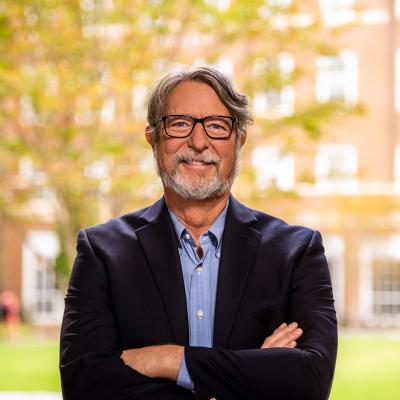
A man with short brown hair and glasses, wearing a blue striped shirt, stands in front of green foliage with red flowers.The Team Impact Award recognizes the critical contributions made by crosscutting teams in addressing today’s complex challenges. Specifically, the award recognizes a team for excellence in innovative and impactful scholarship that either has or soon promises to fundamentally advance knowledge, understanding and/or applications in ways not achievable by individual investigators or single disciplinary approaches alone.

The members of Team RISE—Resilient Infrastructure for Sustainability and Equity—are Brian Bledsoe, Jon Calabria, Shana Jones, Don Nelson, J. Scott Pippin and Mark Risse. RISE includes both academic and public service faculty from the Carl Vinson Institute of Government, Marine Extension-Georgia Sea Grant, the College of Engineering, the College of Environment and Design, and the Department of Anthropology. Over the past several years, they have demonstrated exceptional collaboration and synergy, leading to significant academic research, applied research and technical assistance, as well as generating an impressive number of funding awards. Collaborating through the Institute for Resilient Infrastructure Systems, the members are advancing the integration of natural and conventional infrastructure systems to strengthen society’s long-term resilience to flooding, sea level rise, drought and other disruptions. By collaboratively integrating interdisciplinary research and outreach expertise, they are empowering communities to discover wise infrastructure solutions that deliver a broad array of social, economic and environmental benefits.

Don Nelson, an affiliate with the Owens Institute and a professor in the Department of Anthropology, has over 20 years of national and international experience in drought risk management, social vulnerability and participatory approaches to natural resource management. His work focuses on the human dimensions of climate variability, the role of scientific information in resource management, and how social and political relations shape decision-making and policy outcomes. A member of IRIS’s leadership team, Nelson co-leads project development and directs and conducts team research. He leads the team’s development of the NSF’s coastlines and people proposal to develop a resilience hub using the military-community interface as study areas. He is a key faculty member for the recently funded Research and Development Cooperative Agreement with the Army Corps of Engineers. Nelson also is central to the NSF proposal to establish an Engineering Research Center for Sustainably Engineered Riverine-Coastal Systems at UGA.